
That dashboard reminder is easy to postpone when your Mercedes still feels smooth, quiet, and strong. But a good mercedes preventive maintenance guide starts with one simple truth: these vehicles usually give warning signs late, not early. By the time performance changes are obvious, the repair is often larger, more expensive, and more disruptive than it needed to be.
For Mercedes owners in Silicon Valley, preventive maintenance is less about checking boxes and more about protecting a very sophisticated machine from avoidable wear. Whether you drive a C-Class to San Jose every day, rely on a GLE for family duty, own an AMG that sees spirited weekend miles, or use a Sprinter for business, the goal is the same – keep the car reliable, safe, and performing the way Mercedes engineered it to perform.
What this Mercedes preventive maintenance guide actually means
Mercedes maintenance is not generic oil-change service. These vehicles use model-specific fluid specifications, electronic service tracking, advanced control modules, and systems that interact with each other in ways many general repair shops do not fully account for. That matters because the wrong fluid, a missed software-related fault, or a low-quality replacement part can create issues that do not show up right away.
A proper preventive approach looks at time, mileage, driving habits, and vehicle generation together. A newer Mercedes with low miles may still need brake fluid, battery testing, and age-related inspection items. An older model with moderate mileage may need closer attention to cooling components, suspension wear, and oil leaks even if it still drives well. That is why honest recommendations matter. Not every car needs the same work at the same visit, and good maintenance is never about selling everything at once.
Service intervals are the baseline, not the whole story
Mercedes-Benz service schedules give owners a strong starting point. Most vehicles alternate between Service A and Service B, with inspections, fluid checks, filter replacement, and other factory-specified items built into the schedule. That system is useful, but it should not be treated as the entire maintenance plan.
Silicon Valley driving creates its own pattern of wear. Short trips, stop-and-go traffic, extended idling, hot weather, and long commute cycles can be harder on engine oil, batteries, brakes, and cooling systems than highway cruising. A vehicle that technically has not reached a mileage milestone may still benefit from earlier attention, especially if it sees heavy urban driving or has started showing small changes in behavior.
That is where experience with Mercedes specifically makes a difference. Factory-trained technicians know where these cars tend to age, which fluids matter most, which warning signs deserve immediate attention, and which concerns can be monitored without rushing into repair.
The maintenance items owners should never ignore
Oil service is the obvious one, but it is only one piece of the picture. Mercedes engines depend on the correct oil specification and filter quality. Extending intervals too far or using the wrong products can contribute to timing component wear, sludge buildup, turbocharger stress, and internal sealing problems. On some models, that mistake becomes expensive quickly.
Brake fluid is another common example. It absorbs moisture over time, which reduces braking performance and can affect the ABS and stability systems. Because modern Mercedes braking systems are tightly integrated with electronics, this is not a fluid to leave in place indefinitely just because the car still stops normally.
Transmission service is often misunderstood. Some owners hear that a transmission is “sealed” and assume it requires no maintenance. In practice, fluid and filter service can be critical to long-term shift quality and component life, especially on higher-mileage vehicles or cars driven in traffic every day. The exact interval depends on the transmission and model year, which is why vehicle-specific guidance matters.
Cooling system care is also easy to underestimate. Hoses, water pumps, thermostats, expansion tanks, and coolant itself all age. If a cooling issue is caught during inspection, it is usually manageable. If it is ignored until overheating starts, the repair path gets much more serious.
Then there is the battery. On a modern Mercedes, battery condition affects far more than starting. Weak voltage can trigger strange electrical behavior, warning lights, communication faults, and intermittent system errors that seem unrelated at first. Preventive battery testing saves time and guesswork.
Mercedes preventive maintenance guide for older and higher-mileage models
Once a Mercedes moves past the early years, maintenance becomes more inspection-driven. That does not mean the car is becoming unreliable. It means rubber, plastic, seals, suspension joints, and electronics are now aging alongside the major mechanical systems.
Older E-Class, C-Class, ML, GLE, GLK, S-Class, and many other Mercedes platforms often develop small leaks or wear patterns before they become drivability issues. Valve cover leaks, oil cooler seal seepage, worn control arms, engine mounts, transmission mount wear, and coolant component aging are all examples of issues that can be handled much more affordably when found early.
Suspension deserves special attention because Mercedes ride quality hides deterioration well. The car may still feel composed even when bushings, arms, or dampers are no longer performing as intended. Tire wear, steering feel, braking stability, and overall comfort all suffer gradually, so many owners adapt to the decline without realizing it.
For higher-mileage vehicles, the smartest approach is not panic maintenance. It is prioritization. Safety items come first, fluid integrity comes next, and model-specific wear items follow. A trustworthy shop helps owners plan that work over time instead of turning every visit into an overwhelming estimate.
Why diagnostics belong in preventive maintenance
A lot of Mercedes problems start as data before they become symptoms. Control modules can store faults long before a check engine light turns on. Adaptation values may indicate a system is compensating for wear. Charging voltage, sensor behavior, and fuel trim patterns can point to developing problems that a visual inspection alone will miss.
This is one reason dealer-level diagnostic equipment matters so much on Mercedes vehicles. Generic scan tools can miss manufacturer-specific faults, limit testing capability, or provide incomplete information. Preventive maintenance is far more effective when inspections include the electronic side of the vehicle, not just the mechanical side.
That is especially true for newer models with advanced driver assistance systems, turbocharged engines, electronically controlled transmissions, and complex networked modules. You want the problem found while it is still a maintenance issue, not after it becomes a breakdown or a string of warning lights.
OEM parts, correct fluids, and where owners save money the wrong way
Mercedes owners are often balancing two priorities at once: protect the car and avoid dealership pricing. That is reasonable. But there is a difference between cost-conscious maintenance and cheap maintenance.
OEM-quality filters, proper fluids, and parts that meet Mercedes specifications are not luxuries. They are part of the repair. The wrong transmission fluid, low-grade brake components, bargain sensors, or off-brand cooling parts can create repeat failures, poor performance, noise, or false economy. Saving a little on the front end often costs more later in diagnostics, labor, and lost confidence in the vehicle.
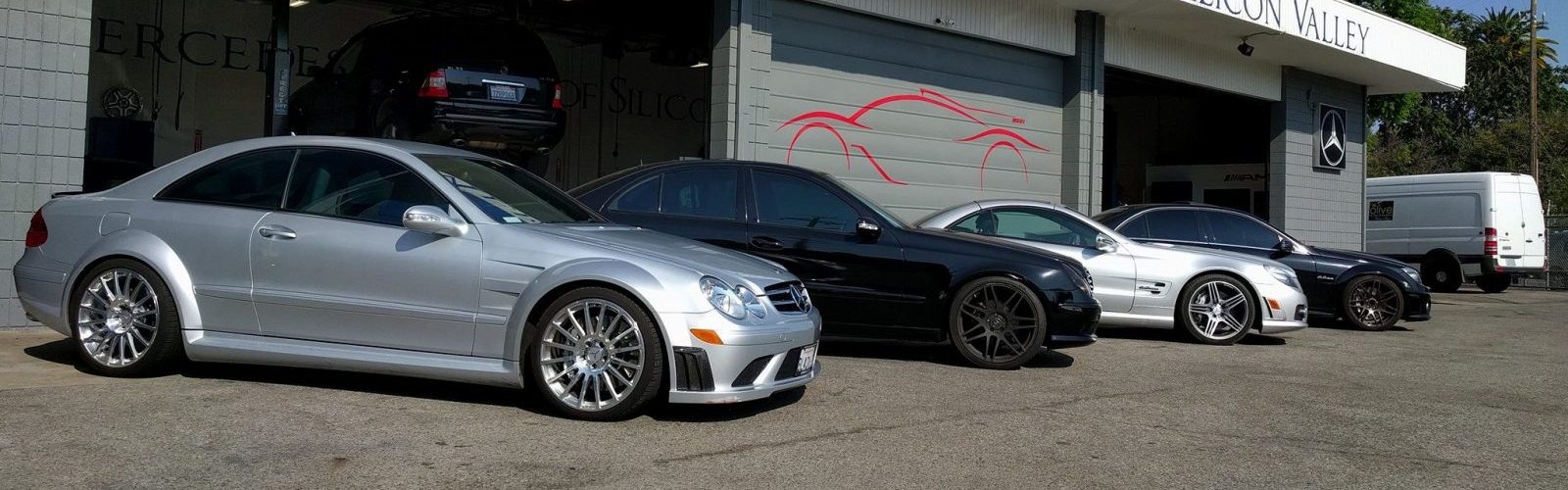
The better value is specialized service that uses the right parts and makes honest recommendations. That combination protects both the car and the owner. At Mercedes Service of Silicon Valley, that has always been the point – dealership-level standards without the dealership experience.
How to build a practical maintenance rhythm
The best maintenance plan is one you can actually follow. Start with the factory schedule, then adjust for age, mileage, driving habits, and vehicle condition. Keep records. Pay attention to changes in start-up behavior, ride quality, braking feel, shifting, or warning messages. Small differences matter on these cars.
If you recently bought a used Mercedes and do not know its full history, begin with a baseline inspection. That gives you a realistic picture of current condition and helps separate urgent needs from future planning. It also prevents duplicate work and avoids guessing based on mileage alone.
For commuters and families, annual inspections between major services are often worthwhile even when the car seems fine. For AMG, diesel, or performance-tuned vehicles, more frequent fluid and system checks may make sense depending on use. There is no one-size-fits-all answer, and that is exactly why experienced Mercedes oversight matters.
A well-maintained Mercedes does not just last longer. It drives better, stays more predictable, and gives you far fewer expensive surprises. That is the real value of preventive maintenance – not doing more work, but doing the right work before your car asks for it the hard way.