
A Mercedes can feel perfect right up until neglected maintenance starts showing up in expensive ways. A rough shift, a warning light, uneven braking, or a small oil leak rarely begins as a major repair. More often, it starts with missed intervals, generic parts, or service that checks boxes without understanding how Mercedes-Benz systems actually age. That is why mercedes standard maintenance service is not just about routine oil changes – it is about protecting the engineering, comfort, and long-term value of the vehicle.
What mercedes standard maintenance service really means
Mercedes maintenance is built around factory service intervals, vehicle age, mileage, driving conditions, and the needs of specific systems across the car. On most models, owners are familiar with Service A and Service B. Those are the scheduled foundations, but they are not the whole story. A proper maintenance plan also considers brake fluid intervals, transmission service, spark plugs, cabin and engine filters, coolant condition, suspension wear, battery health, and electronic fault history.
That matters because Mercedes vehicles are highly integrated machines. The engine, transmission, braking system, steering, safety electronics, and comfort features all depend on the correct fluids, software-aware diagnostics, and brand-specific procedures. If a shop treats a Mercedes like any other import, the service may look complete on paper while missing the details that prevent bigger problems later.
Why generic service often falls short
The phrase standard maintenance can sound simple, but with Mercedes-Benz, simple does not mean basic. Oil specification matters. Filter quality matters. Reset procedures matter. So does the ability to inspect the vehicle with the right diagnostic approach, not just a quick visual check.
For example, one owner may come in needing a normal Service A based on mileage, while another with the same model may also need attention to worn control arm bushings, aging engine mounts, or a battery that is beginning to affect system voltage. Both cars technically arrived for maintenance. Only one gets truly complete care if the shop understands what commonly develops on that platform.
This is where specialization changes the experience. Factory-trained technicians who work on Mercedes every day tend to notice patterns sooner. They know what deserves immediate attention, what can be monitored, and what is often oversold elsewhere. That kind of judgment saves money over time because it keeps the car current without turning every visit into a long estimate.
What is usually included in Mercedes standard maintenance service
The exact scope depends on model and interval, but a proper service typically starts with the essentials the factory intended. That usually includes the correct synthetic engine oil and filter, fluid level checks, tire inflation adjustment, brake inspection, service counter reset, and a review of wear items and system condition.
On a more involved visit, the service may include cabin and engine air filters, brake fluid replacement, spark plugs, transmission fluid and filter service, differential fluid on certain models, and a deeper chassis and suspension inspection. Diesel models, AMG variants, SUVs, and Sprinters can have different requirements, so there is no honest one-size-fits-all menu.
The key is not whether a shop can perform these items. The key is whether they do them to Mercedes standards using OEM-quality parts and fluids, proper torque and installation procedures, and diagnostic equipment that can communicate correctly with the vehicle. On a premium vehicle, that difference shows up in reliability and drivability.
Service A and Service B are the baseline, not the full picture
Many owners search for Service A or Service B pricing and assume that is the full maintenance story. Those services are important, but they are starting points. Service A generally covers the first major scheduled visit and then repeats at set intervals. Service B is more comprehensive and includes additional inspections and brake fluid service in many cases.
What those labels do not capture is age-related maintenance. A low-mileage Mercedes that spends most of its life in local traffic can still need brake fluid, battery attention, tires, belts, or cooling system service even if mileage seems modest. On the other hand, a highway-driven car may accumulate miles quickly but show less wear in some areas. It depends on how the vehicle is used.
That is why good maintenance advice is never copied from a generic chart without context. A Mercedes owner deserves a recommendation based on the actual vehicle in front of the technician.
The cost question every owner asks
Most owners are trying to strike the same balance. They want dealer-level quality, but they do not want to pay for unnecessary work or endure a vague, impersonal service process. That is a reasonable expectation, especially with a vehicle this sophisticated.
A well-run independent Mercedes specialist can often deliver better value than a dealership because the focus is narrower and the recommendations are more direct. You still want OEM parts, correct fluids, and proper diagnostics. What you do not want is blanket upselling or maintenance that ignores the car’s real condition.
The cheapest service is rarely the least expensive in the long run. An oil service done with the wrong specification, a skipped transmission service, or a poor-quality filter can cost far more than the savings at checkout. Good maintenance is cost control. It reduces the risk of premature wear, avoids repeat visits for the same issue, and helps preserve the driving character owners bought a Mercedes for in the first place.
Why diagnostics belong in routine maintenance
Modern Mercedes vehicles generate a great deal of useful data, even before a warning light appears on the dash. Fault memory, adaptation values, battery performance, sensor trends, and electronic communication issues can all provide early clues. That is why maintenance should include more than fluids and filters.
A shop that understands the brand will look at the whole vehicle, not just the service interval. Sometimes the most valuable part of an appointment is catching a developing problem early, when the fix is straightforward and the inconvenience is minimal. This is especially true for drivability concerns, check engine lights that come and go, electrical irregularities, and suspension wear that slowly changes how the car feels.
For Silicon Valley drivers who put real commuter miles on their vehicles, this matters even more. Stop-and-go traffic, heat, short trips, and long highway runs all affect maintenance timing differently. The best service plans account for real driving conditions, not just mileage milestones.
Choosing the right shop for Mercedes standard maintenance service
If you are comparing service providers, ask a few practical questions. Does the shop work primarily on Mercedes-Benz vehicles, or is Mercedes just one brand among many? Are the technicians factory-trained or deeply experienced with Mercedes platforms? Do they use OEM parts and approved fluids? Can they explain what is due now, what can wait, and why?
Those answers tell you a lot. A strong Mercedes shop should be comfortable discussing maintenance in plain English without talking down to you or hiding behind vague jargon. You should leave with a clear picture of the vehicle’s condition and a service path that makes sense for your mileage, model, and budget.
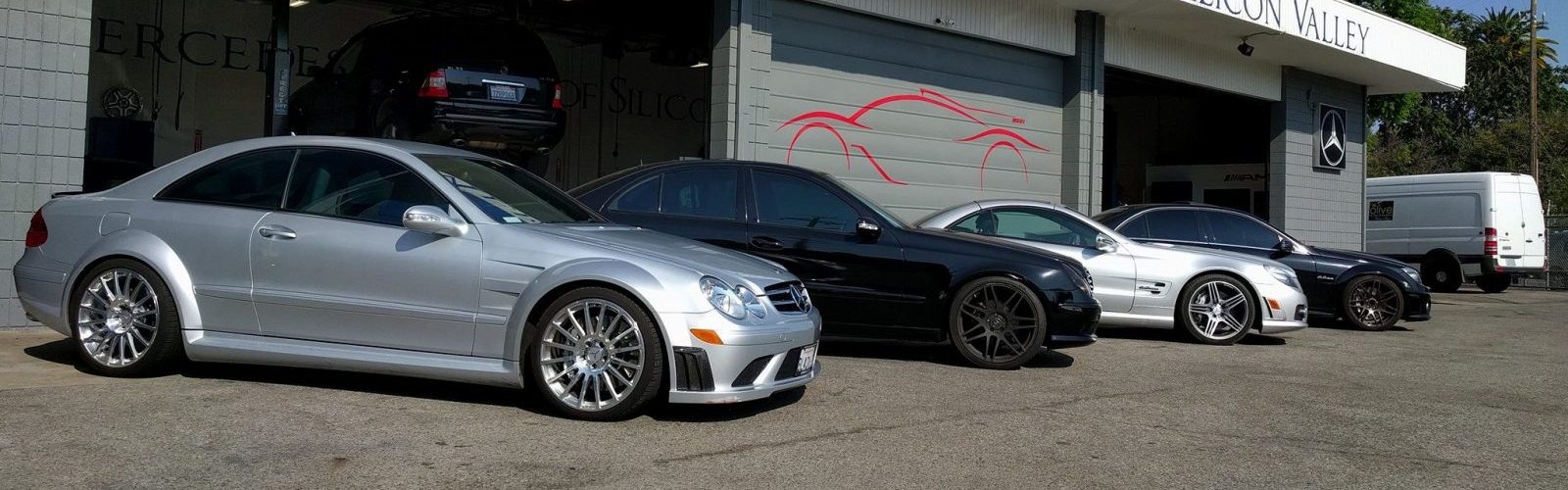
That level of transparency is one reason many owners move away from dealership service once their warranty period changes or their priorities shift. They still want expertise. They simply want it delivered with more consistency, more accountability, and a more personal relationship. That is exactly where a dedicated specialist like Mercedes Service of Silicon Valley fits best.
When to schedule service instead of waiting
If your dashboard says service is due, that is the obvious moment to book an appointment. But there are other signs owners should not ignore. Slightly harsher shifting, brake vibration, steering looseness, a burning smell, uneven tire wear, slow starts, or new fluid spots under the car all deserve attention even if the next maintenance interval is not yet displayed.
Mercedes vehicles are very good at masking early wear. They remain comfortable and composed longer than many cars, which can make issues seem smaller than they are. Waiting until something becomes dramatic usually means the repair gets more expensive and more disruptive.
A well-maintained Mercedes ages differently. It feels tighter, responds better, and stays more dependable because small items are handled before they turn into chain reactions. That is the real value of standard maintenance done the right way.
Owning a Mercedes should feel rewarding, not stressful. If your service plan is thoughtful, honest, and tailored to the car, maintenance stops feeling like a surprise expense and starts doing what it is supposed to do – keeping a well-engineered vehicle at its best for the road ahead.