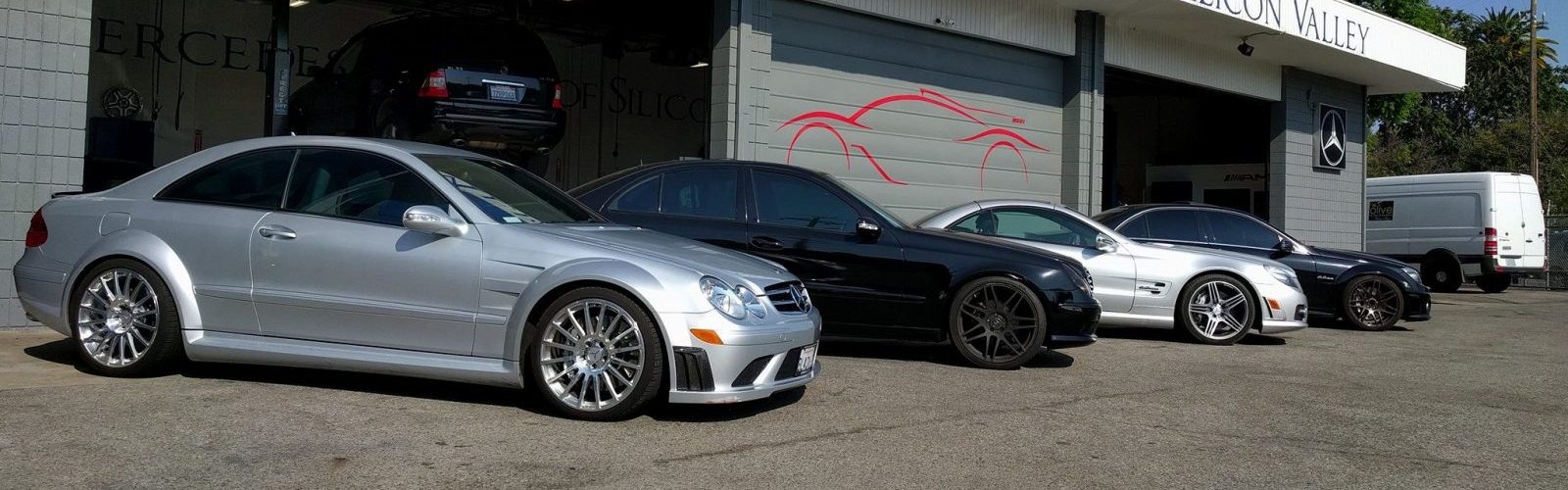

A Mercedes-Benz can feel quick from the factory, but many owners still notice a hesitation when pulling into traffic, a soft throttle response, or power that seems to fade before the next gear change. So, is Mercedes tuning worth it? For the right vehicle and driver, a professionally calibrated tune can make a meaningful difference. The value depends on your engine, your maintenance habits, your expectations, and whether the calibration is built specifically for Mercedes hardware.
A tune is not a cure for neglected maintenance, nor should it turn a daily driver into a race car at the expense of reliability. Done properly, it is a controlled recalibration of the engine or transmission software that can improve the way your Mercedes delivers the performance it already has.
What Mercedes tuning actually changes
Modern Mercedes-Benz vehicles are managed by sophisticated control modules that balance power, emissions, fuel economy, temperatures, torque limits, and drivetrain protection. Factory programming must work in every climate, with varying fuel quality, for drivers with very different habits. It also leaves a margin for consistency and long-term durability.
Performance tuning adjusts selected parameters within those systems. Depending on the vehicle and tune, this can include boost pressure on turbocharged engines, ignition timing, fuel delivery, throttle mapping, torque management, and transmission shift behavior. The goal is not simply to produce a larger peak horsepower number. A good calibration improves usable torque and makes the vehicle feel more immediate and confident in normal driving.
On a turbocharged Mercedes, especially many AMG, four-cylinder, V6, and V8 models, the improvement is often most noticeable in the midrange. That is the power used when merging onto Highway 101, passing on I-880, or climbing grades with passengers and cargo. A naturally aspirated model may see more modest gains, but can still benefit from sharper throttle response and revised transmission behavior.
Is Mercedes tuning worth it for a daily driver?
For many Silicon Valley drivers, the answer is yes when the tune matches the vehicle’s condition and intended use. A commuter who wants stronger passing power and less delay from the accelerator may find more day-to-day value in a conservative Stage 1 calibration than in expensive cosmetic modifications. An enthusiast with an AMG may appreciate the broader torque curve, faster shifts, and more connected feel.
The best result is a Mercedes that still behaves like a Mercedes. It should start cleanly, idle properly, manage heat, and remain comfortable in stop-and-go traffic. There should be no warning lights, rough operation, or need to constantly compensate for the vehicle’s behavior. If a tune only feels impressive during one wide-open-throttle pull but creates drivability issues the rest of the time, it is not a worthwhile upgrade.
Tuning is less compelling for an owner who is fully satisfied with factory performance, drives primarily short distances, or wants to retain every aspect of factory warranty coverage without questions. It may also be a poor first step for a vehicle with overdue spark plugs, oil leaks, cooling-system concerns, transmission faults, or unresolved check-engine lights. Software can expose weak components by asking more of them. It cannot make a mechanical issue disappear.
The benefits that matter beyond peak horsepower
Marketing often focuses on horsepower and torque figures, but the driving experience matters more than a dyno graph alone. A quality Mercedes tune can make power delivery smoother and more predictable. The accelerator may respond with less delay, and the vehicle can hold useful torque through the middle of the rev range rather than feeling flat after the initial surge.
Transmission tuning can also be valuable on compatible models. Properly revised shift points, torque limits, and shift speed can help the transmission work more effectively with the engine calibration. This is particularly relevant on higher-output Mercedes and AMG applications, where engine torque management is closely tied to shift quality and component protection.
There is also an ownership benefit to working with a Mercedes specialist rather than treating tuning as a generic software purchase. Before any performance modification, a technician who knows the platform can assess diagnostic fault history, ignition health, cooling performance, fluid condition, and existing modifications. That process helps protect your investment and avoids spending money on software when maintenance should come first.
The trade-offs every owner should understand
More output creates more heat and additional stress. Even a conservative tune changes the operating demands placed on the engine, turbochargers, transmission, cooling system, and tires. That does not automatically mean the vehicle will become unreliable, but it does mean maintenance and driving habits matter more.
Premium fuel is generally essential. A calibration designed for higher-octane fuel needs that fuel consistently to perform as intended and to manage knock safely. Owners should also stay current on oil services, spark plugs, air filters, brakes, and transmission service intervals. For performance-oriented applications, earlier service may be sensible based on use rather than waiting for the longest possible factory interval.
Warranty considerations deserve a direct conversation as well. Vehicle manufacturers can identify non-factory programming in certain circumstances, and a warranty claim related to a modified system may be scrutinized or denied. The details vary by vehicle, repair, warranty status, and dealership. Owners should not assume that a tune is invisible or that it has no warranty implications.
California emissions rules are another serious factor. Not every aftermarket tune is legal for use on public roads in California, and an emissions-related modification can affect inspection compliance. Before proceeding, confirm that the specific product and vehicle application are appropriate for your use and local regulations. A responsible shop should be clear about this rather than making vague promises.
Why the calibration and installer matter
Mercedes tuning is worth considering only when the software comes from a reputable source and is installed with the correct procedures. A low-cost file of unknown origin may claim large gains, but it may not account for your exact engine, control-module version, fuel quality, modifications, or safety limits. The risks can include poor cold starts, inconsistent boost control, excessive exhaust temperatures, drivetrain faults, and premature component wear.
Mercedes control systems are complex. Factory-level diagnostic equipment and platform knowledge are important both before and after tuning. A specialist should verify that the vehicle has no active issues, confirm the battery is properly supported during programming, document the original software when appropriate, and perform a post-installation health check. If the vehicle has aftermarket downpipes, intake components, upgraded cooling, or other changes, those details should be considered as part of the calibration plan.
At Mercedes Service of Silicon Valley, performance recommendations are approached the same way as repair recommendations: with an honest assessment of what the vehicle needs, what the owner wants, and what makes sense for long-term ownership. A well-maintained daily driver may be an excellent tuning candidate. A car with unresolved diagnostic concerns should be repaired first.
Choosing the right level of modification
For most owners, a conservative Stage 1 tune is the practical place to start. It typically works with otherwise stock hardware and focuses on extracting more from the factory engine and transmission systems. It can offer a noticeable improvement without immediately requiring major supporting parts.
Higher-level tuning is a different decision. More aggressive calibrations may require upgraded intercooling, intake or exhaust components, stronger fueling capability, different spark plugs, or transmission upgrades. They can deliver impressive results, but they also raise the cost, complexity, and maintenance commitment. That may be exactly right for a dedicated enthusiast build, but it is not automatically the right answer for a family SUV or a commuter sedan.
Be realistic about the result you want. If you want a quicker, more responsive Mercedes that retains refined road manners, choose a calibration designed for that purpose. If your goal is track use, drag-strip performance, or extensive hardware modifications, plan for the full system around the tune, not the tune alone.
A better question to ask before tuning
Instead of asking only whether tuning adds horsepower, ask whether it improves the ownership experience you want from your Mercedes. The answer is often yes when the vehicle is healthy, the software is proven, the fuel and maintenance requirements are respected, and the expectations are reasonable.
The right tune should make you look forward to the next on-ramp without making you worry about the next warning light. Start with a thorough Mercedes-specific inspection, discuss the warranty and emissions considerations openly, and choose a calibration that fits the way you actually drive.