A warning light comes on, the car still drives fine, and suddenly the question is not just who can fix it – it is who should fix it if warranty coverage is involved. That is where the independent vs dealer Mercedes warranty decision gets real for owners across Silicon Valley. The right answer depends on the age of the vehicle, the type of coverage you have, and whether you value factory paperwork, lower operating costs, or a more direct relationship with the shop working on your car.
Independent vs dealer Mercedes warranty: what owners are really choosing
Most Mercedes owners are not choosing between good service and bad service. They are choosing between two different service models.
At a dealership, you are buying into the manufacturer ecosystem. That usually means factory-backed warranty administration, direct access to Mercedes-Benz policy procedures, and a process designed around newer vehicles still covered by the original warranty or certified pre-owned coverage.
At a qualified independent Mercedes specialist, you are often getting the same brand-specific knowledge, and in some cases more hands-on experience with common long-term issues, but in a setting that is typically more personal and cost-conscious. The trade-off is that not every warranty type is handled the same way at an independent shop, and some claims are simpler at the dealer.
That distinction matters. A lot of owners assume any repair under any warranty must go back to the dealer. That is not always true.
Start with the type of Mercedes warranty you actually have
The phrase warranty gets used loosely, but coverage can come from very different places. Before deciding where to take your car, you need to know which category applies.
Factory new vehicle warranty
If your Mercedes is still covered by the original factory warranty, dealer involvement is often the most straightforward path for covered repairs. The dealership can verify coverage, submit claims under Mercedes-Benz guidelines, and perform warranty work according to factory procedures.
That does not mean you must use the dealer for every service item. Routine maintenance and non-warranty work can often be performed elsewhere, as long as it is done correctly and documented properly. But when the repair itself is clearly a factory warranty claim, the dealer usually has the cleanest process.
Certified pre-owned warranty
Certified pre-owned Mercedes coverage is also generally easiest to handle through an authorized dealership. These plans often follow manufacturer rules closely, and claim approvals tend to move through dealer channels more smoothly.
If you own a CPO vehicle, it is worth reading the actual terms instead of relying on assumptions. Some owners miss the difference between maintenance items, wear-and-tear components, and covered defects. That leads to frustration no matter which shop they choose.
Third-party extended warranty
This is where independent vs dealer Mercedes warranty decisions become much more flexible. Many extended warranty companies allow repairs at licensed independent facilities, provided the shop follows the administrator’s approval process, documents the diagnosis, and uses approved parts when required.
In these cases, a strong independent Mercedes shop can be an excellent option. You may get more detailed communication, a more accurate diagnosis, and less pressure to stack unrelated recommendations onto the visit. The key is making sure the shop is comfortable working with aftermarket warranty providers and understands what those companies require before repairs begin.
Shop-backed or limited parts-and-labor warranty
This is different from a manufacturer or third-party vehicle warranty. Many high-quality independent shops stand behind their own repairs with a warranty on parts and labor. That coverage applies to the repair performed, not to the vehicle as a whole.
For owners of out-of-factory-warranty Mercedes models, this type of protection matters more than they sometimes realize. If you are paying out of pocket, the quality of the repair and the confidence behind it may be more valuable than a dealership name on the building.
When the dealer makes the most sense
There are situations where the dealership is simply the logical choice.
If the car is under factory warranty and the issue appears to be a covered defect, the dealer usually gives you the most direct route. The same goes for recall work, software campaigns tied specifically to Mercedes-Benz authorization, and certain warranty extensions that are managed only through dealer systems.
Newer models with very recent updates can also fall into this category. Some procedures require immediate access to current factory programming and internal warranty protocols. A specialist independent may still have dealer-level tools and Mercedes experience, but factory claim authority is a different thing from technical capability.
There is also a documentation argument. Some owners of very new vehicles prefer dealer records during the factory warranty period because it feels cleaner for resale or lease-end questions. That is not always necessary, but it can offer peace of mind.
When an independent Mercedes specialist may be the smarter move
Once a Mercedes is outside the original factory warranty, the value equation often changes quickly.
An experienced independent Mercedes shop can be the better fit when you want brand-specific expertise without dealership overhead. That matters on vehicles that need careful diagnostics, not generic trial-and-error parts replacement. It also matters when the car has age-related issues that seasoned specialists see every week but dealership advisors may treat through a more rigid process.
For third-party extended warranties, independents can also offer an advantage in transparency. A good shop will tell you what the warranty company is likely to cover, what it may deny, and what is actually urgent versus what can wait. That kind of honesty is valuable when you are trying to manage costs on a premium vehicle.
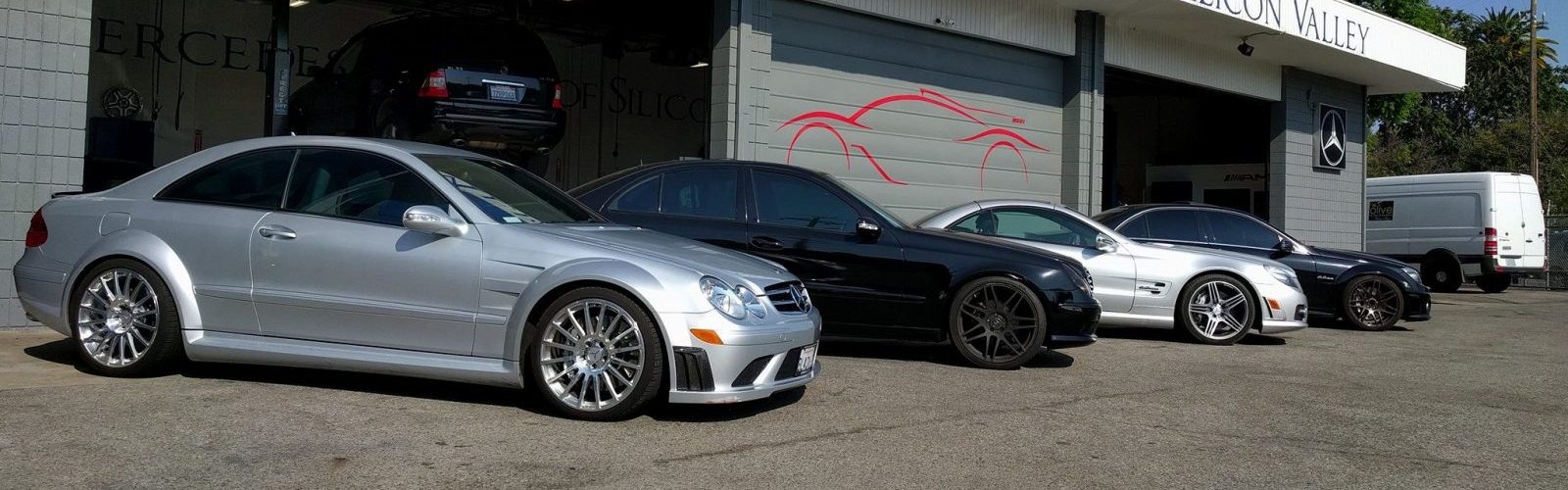
Mercedes Service of Silicon Valley is built around that model – factory-trained Mercedes expertise, proper diagnostics, OEM-quality standards, and a more personal conversation about what your car truly needs.
The real trade-offs in an independent vs dealer Mercedes warranty decision
This is where owners should be careful about blanket statements. Neither option wins every category.
Dealers often have the advantage in factory claim processing and direct manufacturer alignment. If a repair is unquestionably covered by Mercedes-Benz, the dealer may save time on authorization and paperwork.
Independent specialists often have the advantage in relationship, consistency, and value. You are more likely to speak with people who know your vehicle history, your driving habits, and the difference between recommended service and actual need. On an older E-Class, GLE, AMG, or Sprinter, that can make ownership far less stressful.
Labor rates are also part of the equation. Warranty work may be covered, but plenty of visits involve mixed outcomes. One item gets approved, another is maintenance, and a third turns out to be wear-and-tear. In those situations, the shop’s hourly rate and philosophy toward upselling start to matter.
Convenience matters too. Some owners prefer the dealership’s loaner structure or corporate process. Others prefer the responsiveness of a specialized local shop that answers direct questions without layers of handoff.
Questions to ask before authorizing Mercedes warranty repairs
Before you book service, ask a few specific questions.
First, confirm whether your issue is under factory warranty, certified coverage, a third-party contract, or no vehicle-wide warranty at all. Second, ask whether pre-authorization is required before teardown or diagnosis. Third, find out whether the shop has experience dealing with your warranty administrator.
It is also smart to ask how non-covered items are handled. Some warranty companies cover the failed part but not related maintenance, fluids, seals, or diagnostic time beyond a limit. That is where surprise invoices happen.
Finally, ask the shop how it documents findings. Clear inspection notes, proper fault tracing, and accurate estimates help whether the repair is approved or denied.
The biggest mistake Mercedes owners make
The biggest mistake is assuming warranty status should determine the shop all by itself.
Warranty matters, but so do diagnosis quality, technician experience, repair standards, and honesty. A cheap repair done poorly is expensive later. A covered repair that misses the root cause still wastes your time. And a dealership visit is not automatically the best option if the car is out of factory coverage and you are paying premium rates for routine work.
Mercedes vehicles are sophisticated machines. They reward precise service, correct parts, and technicians who understand how the systems interact. Whether you choose a dealer or an independent, that should be the standard.
For many owners, the practical answer is not either-or forever. It is using the dealer when factory warranty rules clearly point there, and using a trusted independent Mercedes specialist for maintenance, diagnostics, and out-of-warranty repairs where expertise and transparency make the bigger difference.
If you are weighing your next repair, start with the paperwork, then trust the shop that can explain the why behind the work as clearly as the price.