If you own a Mercedes and want more from it, choosing a mercedes performance tuning shop is not just about getting a bigger number on a dyno sheet. It is about protecting the way the car was engineered while improving how it responds, pulls, shifts, and drives every day. On a modern Mercedes, performance tuning only works when the shop understands the full vehicle – engine management, transmission behavior, cooling, suspension, braking, and the electronics that tie everything together.
That is where many owners get burned. A generic tuner may know how to add power. A true Mercedes specialist knows when not to. That difference matters whether you drive a C-Class commuter, an AMG weekend car, a GLS family SUV, or a Sprinter that needs more usable torque without sacrificing reliability.
What sets a Mercedes performance tuning shop apart
Mercedes vehicles are not forgiving of guesswork. The systems are tightly integrated, and even a simple performance change can affect drivability, traction control behavior, transmission adaptation, and long-term component wear. A proper Mercedes performance tuning shop starts with diagnostics, not promises.
That means reading factory-level data, checking for stored faults, reviewing service history, and confirming the car is mechanically healthy before any calibration changes are made. If the ignition system is weak, the charge air system has a leak, or maintenance is overdue, tuning first is the wrong move. Honest shops will say that clearly.
Mercedes-specific experience also matters because these cars respond differently depending on platform, engine family, and model year. A turbocharged four-cylinder, a biturbo V8, and a diesel powertrain each have different limits, different heat management needs, and different tuning priorities. What works well on one chassis can create issues on another.
Why tuning is more than horsepower
Most owners ask about gains first, and that makes sense. But real-world performance is often about how the power arrives. A well-tuned Mercedes should feel sharper, smoother, and more confident, not peaky or unsettled.
Throttle mapping can be improved so the car responds more naturally in traffic and on highway merges. Torque delivery can be calibrated to give stronger midrange pull where you actually use it. On some models, transmission behavior can also be optimized so shifts feel more decisive without becoming harsh. The best result is a car that feels like a better version of itself.
There is always a trade-off. More aggressive tuning can increase stress on driveline components, raise heat load, and reduce the margin for poor fuel quality or neglected maintenance. That does not mean performance tuning is a bad idea. It means the shop should match the tune to how you use the vehicle, not just to what sounds impressive.
The role of diagnostics before any Mercedes tuning
Before any software change, the car should be inspected with the same seriousness as a repair visit. That is especially true for higher-mileage vehicles and AMG models that are already working with tighter thermal and mechanical margins.
A good shop will look at boost control, ignition performance, air-fuel behavior, cooling system condition, fluid service history, and any signs of oil or vacuum leaks. They should also pay attention to tires, brakes, and suspension condition. If you add power to a car with weak stopping performance or worn chassis components, you are only improving one part of the equation.
This is where specialized independent shops often have an advantage over one-size-fits-all tuning businesses. They are used to maintaining Mercedes vehicles year-round, so they can evaluate the whole car with a long-term ownership mindset. That approach is especially valuable for Silicon Valley drivers who rely on their vehicles for commuting, client travel, and family use, not just occasional spirited driving.
What to expect from a quality mercedes performance tuning shop
A serious shop should be transparent about what tuning can and cannot do for your specific model. They should explain whether your vehicle is a strong candidate for software tuning alone or whether supporting hardware and maintenance should come first.
For many owners, the right first step is a conservative calibration from a reputable Mercedes-focused tuning provider. That can improve drivability and performance without pushing the car beyond reasonable daily-use limits. For others, especially on AMG platforms, tuning may need to be paired with upgraded cooling, intake, exhaust, or braking considerations depending on the goals.
The process should never feel rushed. You should be able to ask how the tune affects reliability, what fuel the car will require, whether the vehicle can be returned to stock, and what kind of post-tuning support is available. Shops that welcome those questions usually have nothing to hide.
OEM standards still matter when performance is the goal
One of the biggest misconceptions in the tuning world is that performance and factory-level care are separate things. On Mercedes vehicles, they should go together. The more power and response you ask from the car, the more important it becomes to keep service quality high.
That includes using the correct fluids, following proper maintenance intervals, and replacing worn parts with OEM-quality components. Cutting corners on spark plugs, coils, sensors, or fluid service can quickly turn a well-tuned car into a frustrating one. The same is true for diagnostics. Generic scan tools may catch basic faults, but they rarely offer the depth needed to properly evaluate a modern Mercedes before and after tuning.
This is why many owners prefer a specialized shop over a general repair facility. Dealer-level knowledge, factory-trained technicians, and the right diagnostic equipment make a real difference when performance work is involved.
Not every Mercedes owner needs the same tune
A commuter in San Jose driving an E-Class every day usually wants something different from an enthusiast with a weekend AMG. One may want smoother throttle response, stronger passing power, and no drama in traffic. The other may want a more aggressive calibration and is willing to accept a narrower comfort margin.
That is why the best tuning recommendations are personal. Mileage matters. Service history matters. Driving style matters. So does how long you plan to keep the vehicle.
For some owners, the smartest choice is mild software tuning combined with baseline maintenance and a brake inspection. For others, it may make more sense to address deferred repairs first and revisit performance upgrades later. A trustworthy shop will not push tuning onto a car that is not ready for it.
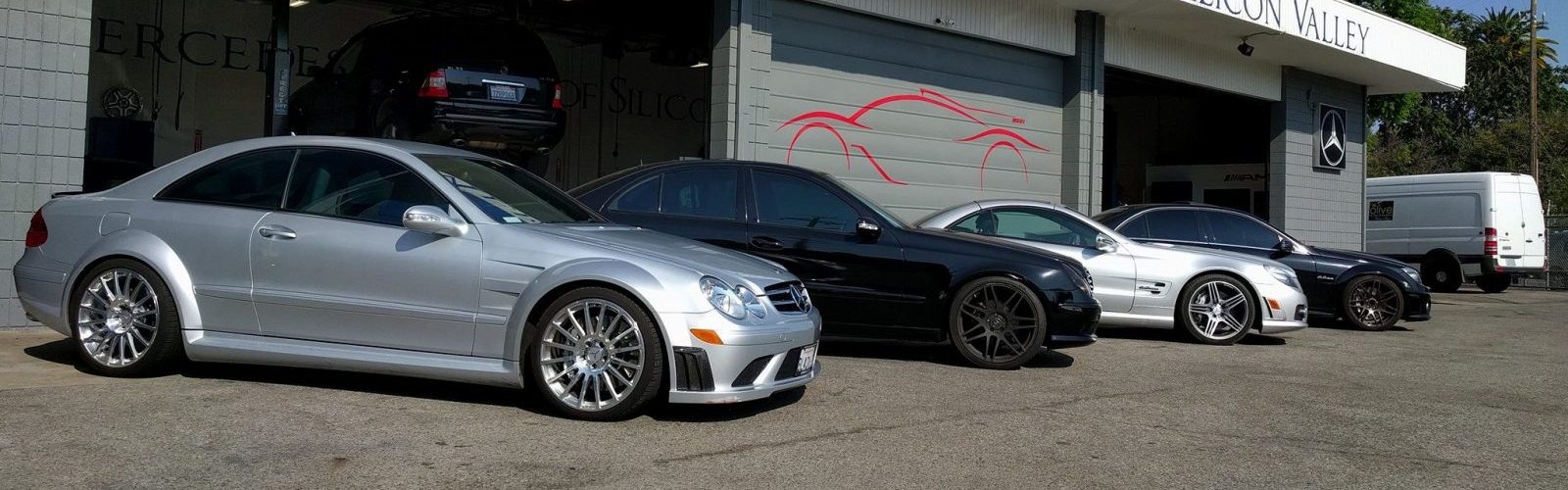
Mercedes Service of Silicon Valley has built its reputation around that kind of honesty. For owners who want dealer-level Mercedes expertise with a more personal and transparent experience, that matters just as much as the tuning itself.
Questions worth asking before you commit
When you speak with a shop, ask who is performing the work and how much Mercedes-specific experience they have. Ask whether they use factory-grade diagnostics, what tuning platform they support, and whether they inspect the vehicle before making changes. If the conversation skips straight to peak horsepower, that is a warning sign.
You should also ask about the car after the tune. What maintenance becomes more important? What fuel should you run? Are there known weak points on your model that should be monitored? A professional answer should sound measured, not salesy.
Good tuning shops understand that customer trust is part of the job. They know many Mercedes owners are not chasing bragging rights. They simply want a vehicle that feels stronger, sharper, and still dependable on Monday morning.
Choosing the right shop in Silicon Valley
In this area, drivers have options, but not all options are equal. The right Mercedes performance tuning shop should be able to maintain, diagnose, and improve your vehicle under one roof. That combination is what protects your investment.
If a shop can explain the technical side clearly, use Mercedes-specific diagnostic equipment, recommend OEM-quality service practices, and be honest about trade-offs, you are in the right place. If they understand the difference between a daily driver, a family SUV, an AMG, and a working Sprinter, even better.
The best tuning result is not the loudest one. It is the one that fits the car, fits the owner, and keeps the driving experience true to what makes a Mercedes worth owning in the first place.
When performance is done right, the car does not feel modified for the sake of it. It feels properly sorted – more responsive, more capable, and still ready for the miles ahead.