A Mercedes-Benz rarely becomes unreliable because of one dramatic failure. More often, heat, age, deferred fluid service, and small leaks gradually turn a well-engineered vehicle into an expensive surprise. The best top Mercedes reliability upgrades are not flashy bolt-ons. They address known wear points before they affect drivability, safety, or the systems around them.
For Mercedes owners in Silicon Valley, that approach matters. Stop-and-go commuting, summer heat, steep grades, and long highway miles can all accelerate wear. The right work depends on the model, engine, mileage, maintenance history, and how the vehicle is used. A well-kept E-Class commuter needs different attention than an AMG weekend car, a GLS family SUV, or a high-mileage Sprinter.
Start With a Mercedes-Specific Baseline
Before installing any upgraded part, establish what is already happening with the vehicle. A proper Mercedes inspection includes a factory-level diagnostic scan, a review of fault history and live data, and a hands-on check for fluid leaks, cooling-system condition, suspension wear, charging concerns, and electrical faults.
This is where generic advice can become costly. Replacing parts based on an internet checklist may leave the real issue untouched, or introduce low-quality components into a system that was functioning properly. Mercedes vehicles are tightly integrated. A weak auxiliary battery, for example, can create warning messages that appear unrelated to the battery itself. A small coolant leak can eventually affect belts, sensors, mounts, or wiring below it.
A baseline also helps prioritize. Safety and active leaks come first. Then address items that can damage larger assemblies, followed by preventive updates that support long-term ownership.
Cooling System Refreshes Prevent Bigger Repairs
Heat is one of the most persistent enemies of aging Mercedes components. Plastic cooling parts, seals, hoses, expansion tanks, thermostats, and water pumps all live through thousands of heat cycles. On many models, a cooling-system refresh is among the most practical reliability investments an owner can make.
The correct scope is model-specific. Some engines have water-pump or thermostat patterns worth watching closely. Others are more likely to develop leaks at hoses, reservoirs, radiators, or plastic connector flanges. The goal is not to replace every cooling component on principle. It is to replace aging parts with OEM-quality components when their condition, mileage, or known failure pattern justifies it.
This work is especially valuable before a road trip, during high-mileage ownership, or when there are signs of coolant loss, a sweet odor after driving, temperature fluctuations, or dried coolant residue. Ignoring a minor seepage issue can lead to overheating, and overheating is where a manageable repair can become an engine-level concern.
Use the Right Coolant and Proper Bleeding Procedures
A cooling repair is only as good as the parts and procedure behind it. Mercedes-approved coolant, correct mixture ratios, and proper vacuum filling or bleeding matter. Air trapped in the system can cause poor heater performance, false temperature readings, and localized hot spots. This is not a place to substitute universal fluids or take shortcuts.
Transmission Service Is a Reliability Upgrade
Mercedes automatic transmissions are durable when serviced correctly, but “lifetime fluid” should not be interpreted as “ignore it indefinitely.” Fluid condition, driving pattern, towing, heat exposure, and model-specific transmission design all affect service needs.
A complete transmission service may include the correct approved fluid, filter, pan gasket, and inspection of electrical connectors and seals. On certain older Mercedes transmissions, the connector sleeve can leak fluid externally or allow fluid migration through the wiring harness. Catching that condition early can prevent a small seal repair from becoming a more involved electrical diagnosis.
The trade-off is timing. A transmission with an unknown history and advanced internal wear requires an informed assessment before service, rather than an automatic flush. A qualified Mercedes technician should evaluate shift quality, stored faults, fluid condition, and current leaks before recommending the right path.
Upgrade Engine Sealing and Crankcase Ventilation Before Leaks Spread
Oil leaks do more than leave spots in the driveway. Oil can degrade rubber mounts, contaminate electrical connectors, damage belts, and collect around hot exhaust components. Valve cover seals, oil filter housing seals, vacuum pump seals, and front cover areas deserve attention when they begin to seep.
Crankcase ventilation components are equally important. When a PCV or oil-separation system is restricted or failing, it can contribute to oil consumption, rough idle, vacuum-related faults, and fresh leaks at seals that were previously holding. The exact setup varies significantly by engine, which is why diagnosis should come before parts replacement.
For AMG owners, this is also a good time to inspect engine mounts, transmission mounts, and surrounding heat shielding. Higher-output engines place added stress on these components. Replacing worn mounts restores refinement, but it also protects driveline alignment and reduces stress transferred to other parts.
The Most Useful Mercedes Reliability Upgrades for Chassis Wear
A Mercedes should feel composed, not vague, bouncy, or unsettled over broken pavement. Worn control-arm bushings, ball joints, tie rods, strut mounts, and sway bar links can slowly reduce stability without setting a warning light. Because the decline is gradual, many owners only notice the difference after quality parts are installed and the alignment is corrected.
Suspension work should be approached as a system. Replacing one visibly worn bushing while leaving surrounding components at the end of their service life can produce uneven results. On vehicles with AIRMATIC or other air-suspension systems, diagnosis is even more important. A sagging corner may be caused by an air strut, valve block, air line, compressor issue, relay, or level sensor. Replacing an expensive component without confirming the leak or fault source is not good repair practice.
For drivers who value sharper handling, upgraded bushings or performance-oriented suspension parts can make sense. They may also add road noise, firmness, or maintenance requirements. A daily-driven S-Class and a tuned C63 should not receive the same recommendation simply because the parts fit both vehicles.
Protect Electrical Systems With Battery and Grounding Service
Modern Mercedes-Benz vehicles rely on stable voltage. A weakening main battery or auxiliary battery can trigger a surprising range of warnings, including parking-assist, brake, steering, transmission, and infotainment messages. That does not always mean those systems have failed.
Battery testing should include more than a voltage reading. Proper testing evaluates battery health, charging performance, parasitic draw when relevant, and battery registration or adaptation requirements on applicable models. Corroded battery terminals, weak grounds, water intrusion, and damaged wiring should be corrected before they create intermittent faults that are difficult to trace later.
This is also an area where inexpensive replacement batteries can create frustration. The correct battery type, capacity, and installation procedure are part of the repair. Electrical stability is one of the least glamorous upgrades, but it supports virtually every system in the vehicle.
Choose OEM-Quality Parts Over Cheap Convenience
The phrase “upgrade” can imply aftermarket performance parts, but reliability often improves most through better repair decisions. OEM parts and fluids are engineered for Mercedes specifications, fitment, temperature range, and electronic compatibility. In some cases, a proven updated component from the original supplier is an appropriate choice. In others, the factory part remains the best answer.
Low-cost parts may look similar on the workbench but can have different material quality, tolerances, or sensor calibration. The labor to replace a failed inexpensive part twice is rarely a bargain. For critical systems such as brakes, cooling, charging, steering, and engine management, parts quality should be part of the ownership calculation.
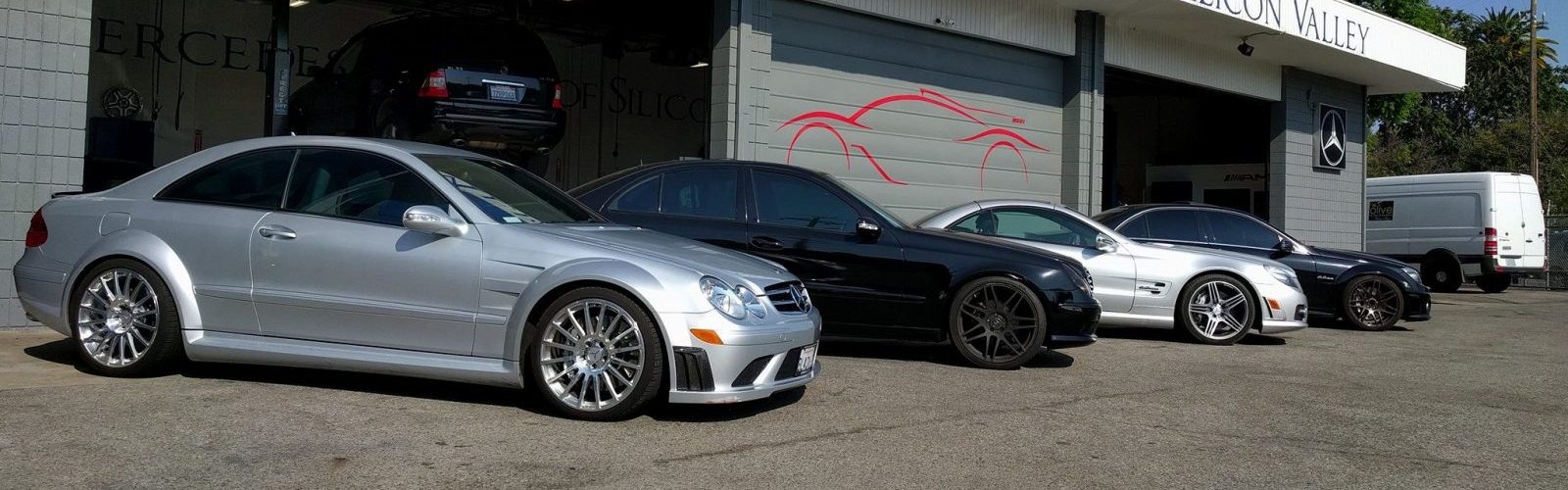
At Mercedes Service of Silicon Valley, recommendations should be based on what the vehicle needs now, what can reasonably wait, and what will protect the owner from avoidable downstream repairs. That balance is the point of specialized independent service: factory-level knowledge without a one-size-fits-all menu.
Reliability Is Built Through Timing, Not Just Parts
The best upgrade is often handling a small concern while it is still small. A faint coolant smell, occasional rough start, slight oil seepage, delayed shift, low-voltage warning, or new suspension noise deserves a Mercedes-specific inspection before it becomes urgent. Owners who stay ahead of those signals usually spend less over the long run and enjoy the vehicle more every mile.