A Mercedes can accelerate with confidence, but its braking system depends on a fluid most drivers never see. To perform Mercedes brake fluid flush service correctly, a technician must do more than remove old fluid from the reservoir. The system needs the right specification fluid, a proper bleeding sequence, and careful attention to the vehicle’s electronic brake components.
For Mercedes owners in Silicon Valley, brake fluid service is preventive maintenance with real safety value. It helps preserve firm pedal feel, protects expensive hydraulic components, and supports the ABS, traction control, and electronic stability systems engineered into your vehicle.
Why Mercedes Brake Fluid Needs Regular Attention
Brake fluid is hygroscopic, meaning it naturally absorbs moisture from the air over time. The brake system is sealed, but moisture can still enter gradually through hoses, seals, and normal fluid reservoir venting. That moisture lowers the fluid’s boiling point and can contribute to internal corrosion in brake lines, calipers, the master cylinder, and the ABS hydraulic unit.
Under normal commuting, contaminated fluid may not create an obvious symptom immediately. The pedal can still feel acceptable right up until the system is asked to work hard. Long downhill driving, repeated stop-and-go traffic, spirited driving, or a fully loaded SUV can create enough heat to expose brake fluid that has lost its heat resistance.
Mercedes-Benz generally recommends brake fluid replacement at regular time and mileage intervals, often every two years for many models. Your specific maintenance schedule can vary by model year, chassis, driving conditions, and service history. A newer C-Class, an AMG model, a Sprinter, and an older E-Class should not be treated as though they all have identical maintenance requirements.
When to Perform Mercedes Brake Fluid Flush Service
Time is usually the main factor. Even a low-mileage vehicle needs brake fluid replaced because moisture accumulation is tied to age, not simply how far the vehicle has traveled. If service records show the fluid is overdue, it is wise to schedule the work rather than wait for a warning sign.
There are also situations where an earlier inspection or flush makes sense. This includes a soft or inconsistent brake pedal, evidence of fluid contamination, recent hydraulic brake repairs, severe driving conditions, or a vehicle that has sat unused for an extended period. A brake warning message deserves prompt professional diagnosis, although it does not automatically mean the vehicle only needs fluid.
For performance-oriented owners, fresh fluid is especially relevant before track use, mountain trips, or demanding canyon driving. Standard OEM-approved fluid is right for most street-driven Mercedes vehicles. However, an AMG that sees track time may benefit from a different fluid choice and maintenance interval. That decision should be based on the vehicle’s use, its brake setup, and the technician’s recommendation, not a generic performance claim on a bottle.
The Right Fluid Is Not a Detail
Mercedes brake systems are designed around specific fluid standards. Many late-model vehicles use DOT 4 brake fluid that meets Mercedes-Benz requirements, but the correct product is not determined by the DOT rating alone. Fluid compatibility, boiling-point requirements, and the condition of the existing system all matter.
Using a low-quality or incorrect fluid to save a small amount upfront is not a worthwhile trade-off. Brake fluid contacts critical seals, valves, and hydraulic passages throughout the system. OEM-quality fluid helps maintain the system as Mercedes engineered it and provides predictable performance across the temperature changes Silicon Valley drivers experience.
The same principle applies to mixing fluids. A qualified technician should verify what is appropriate for the specific vehicle rather than topping off or flushing the system with whatever brake fluid happens to be on the shelf. Color is not a reliable way to identify fluid type or condition.
What a Proper Mercedes Brake Fluid Flush Involves
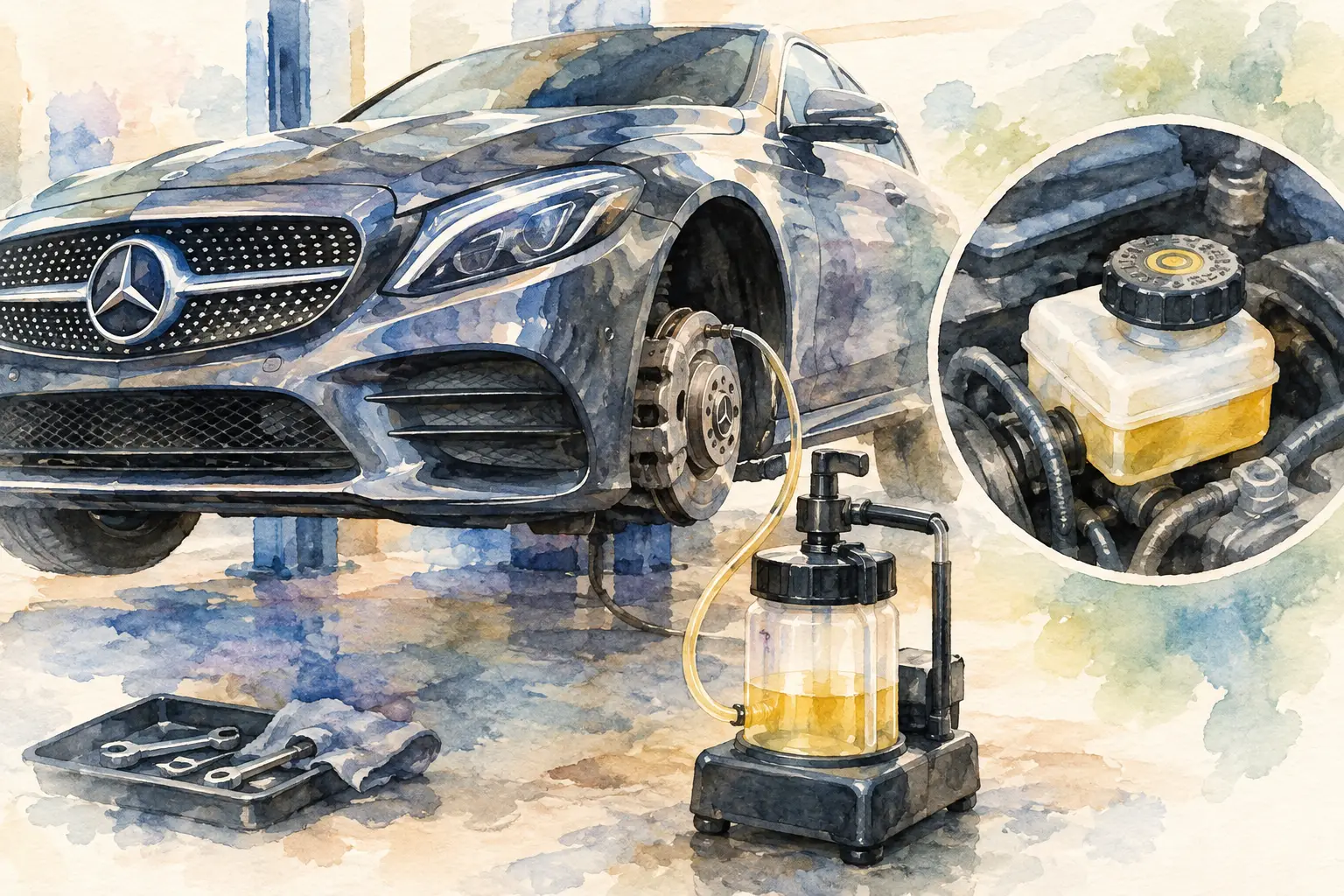
A true flush replaces old fluid throughout the hydraulic circuits, not just fluid visible in the reservoir. The technician begins by confirming the vehicle’s maintenance needs, inspecting for leaks or damaged brake components, and protecting painted surfaces from accidental fluid contact.
Fresh, approved brake fluid is introduced while old fluid is evacuated from each brake circuit. The process follows the appropriate bleeding order and uses equipment that maintains correct pressure without forcing air into the system. The goal is clean fluid at every caliper or wheel cylinder, with no air bubbles and no compromised pedal feel.
Modern Mercedes vehicles add another layer of complexity. Their ABS and electronic stability systems use hydraulic control units with internal passages and valves. Depending on the model and the work being performed, genuine Mercedes diagnostic equipment may be needed to activate components or verify the braking system after service. This is one reason a basic fluid exchange is not always equivalent to a complete Mercedes-specific brake fluid service.
A final inspection should include brake pedal feel, fluid level, leak checks, and any relevant dashboard warning indicators. If worn pads, damaged rotors, sticking calipers, or a hydraulic leak are discovered, those concerns should be explained clearly and separately. A brake fluid flush cannot correct a mechanical brake problem, and an honest shop should not present it as a cure-all.
Why DIY Brake Fluid Service Can Be Risky
Experienced enthusiasts may be comfortable servicing their own vehicles, but brake fluid work leaves little room for shortcuts. Brake fluid damages paint, air in the hydraulic system can reduce braking performance, and improper bleeding can create a soft pedal. On certain Mercedes models, electronic brake systems and diagnostic procedures can make the job more involved than it appears.
The most common DIY mistake is replacing only reservoir fluid. That may improve the appearance of the fluid at the top of the system, but it does not remove old fluid and moisture from the brake lines, calipers, and hydraulic components. Another issue is using fluid from an already opened container. Brake fluid absorbs moisture after opening, so fresh, properly stored fluid matters.
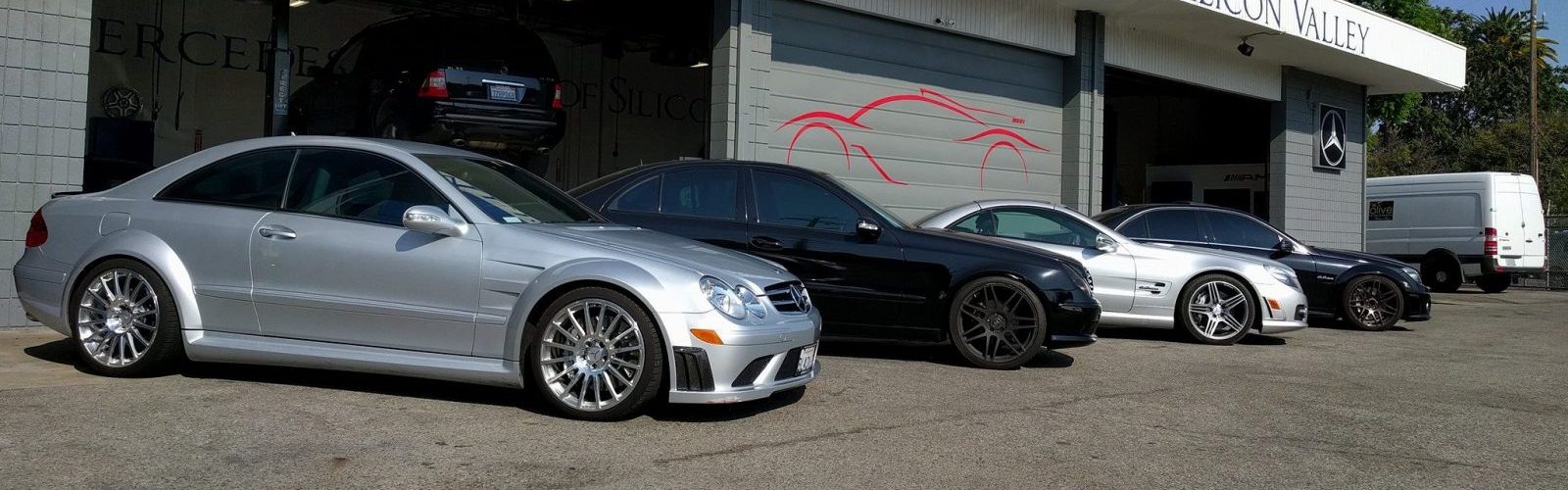
A qualified independent Mercedes specialist offers a practical middle ground for owners who value factory-level procedures without dealership overhead. At Mercedes Service of Silicon Valley, factory-trained experience, OEM-quality materials, and Mercedes-specific diagnostic capability allow brake maintenance to be handled with the same care as more complex repairs.
Brake Fluid Service Is About More Than the Pedal
Fresh brake fluid helps protect the parts you cannot easily inspect. The ABS pump, hydraulic control unit, caliper seals, and master cylinder are all costly components that benefit from clean fluid. Regular service can reduce corrosion-related risk and help preserve the consistent brake response expected from a Mercedes-Benz.
It also supports resale confidence. Detailed maintenance records show that a vehicle has been cared for beyond basic oil changes. For buyers of used luxury vehicles, evidence of timely brake fluid service signals that the owner understood preventive maintenance and did not defer every non-visible item.
There is a cost consideration, of course. A brake fluid flush is an expense that does not add horsepower or change the vehicle’s appearance. But compared with repairs involving seized calipers, corroded hydraulic components, or ABS-related concerns, scheduled fluid service is a sensible investment in safety and long-term ownership.
If you are unsure when your Mercedes last had brake fluid replaced, bring the service records or ask for an inspection at your next maintenance visit. A clear recommendation based on your vehicle’s age, condition, and driving habits is the right place to start – and it keeps one of your Mercedes’ most important systems ready when you need it.