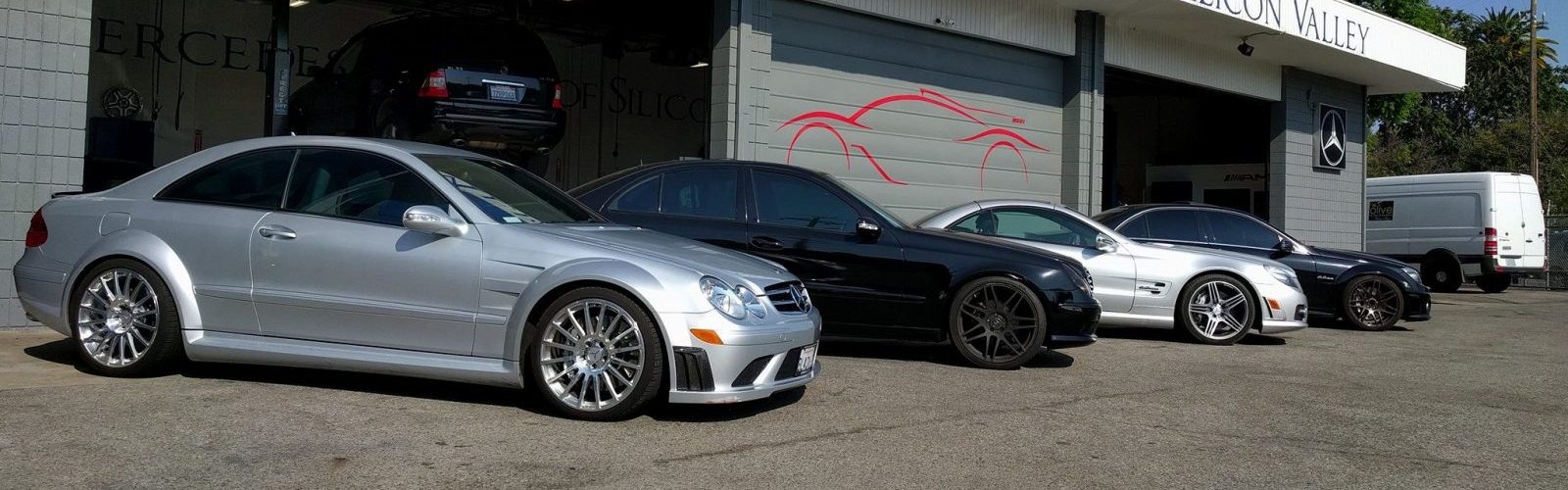

A Mercedes-Benz with the right history sells differently. Buyers notice the details: a smooth cold start, clean diagnostic report, complete service documentation, quality tires, and a cabin that has not been neglected. Knowing how to protect Mercedes resale value is less about preparing the car when it is time to sell and more about making disciplined ownership decisions from the first day you own it.
For Silicon Valley owners, that matters whether you drive a C-Class to the office, rely on a GLS for family travel, enjoy an AMG on the weekend, or operate a Sprinter for business. Premium vehicles retain value when their condition, maintenance history, and equipment inspire confidence.
How to Protect Mercedes Resale Value Through Maintenance
The most reliable way to preserve resale value is to follow the maintenance schedule for your specific Mercedes, not a generic schedule designed for every vehicle on the road. Mercedes models have different engine, transmission, cooling, braking, and electrical requirements. Delaying maintenance to save money often creates a larger expense later, while also raising questions for future buyers.
Use the correct OEM-approved fluids, filters, and replacement parts whenever possible. A Mercedes transmission service completed with the wrong fluid, for example, may create drivability concerns and leave a poor record for a knowledgeable buyer or inspector. The same applies to engine oil specifications, coolant, brake components, spark plugs, and suspension parts.
Routine service should also include a proper inspection, not just an oil change. Factory-level diagnostic equipment can identify stored fault codes, battery-voltage issues, sensor irregularities, and early warning signs that may not yet trigger a dashboard message. Addressing a small oil seepage, worn engine mount, weak auxiliary battery, or failing suspension bushing early is usually more cost-effective than waiting for visible symptoms.
At Mercedes Service of Silicon Valley, our approach is to explain what is needed now, what should be monitored, and what can reasonably wait. That kind of documentation and transparency benefits the current owner and makes the vehicle easier to sell later.
Keep Records That Answer a Buyer’s Questions
A well-maintained Mercedes without records is harder to value than one with an organized history. Private buyers, dealers, and appraisers want evidence that the vehicle received consistent, model-appropriate care. Service records reduce uncertainty, which helps protect the price you can reasonably ask.
Keep invoices for routine maintenance, diagnostic work, repairs, tires, alignments, brakes, batteries, and major parts replacements. Digital records are helpful, but save copies in a dedicated folder as well. If you sell privately, a clean service file signals that you have treated the vehicle as an investment rather than simply transportation.
Your records should make four things easy to verify:
- Scheduled maintenance was performed at sensible intervals.
- Repairs were completed promptly rather than ignored.
- OEM or OEM-quality parts and approved fluids were used.
- Major work, including transmission service, cooling-system repairs, or suspension work, was completed by a Mercedes specialist.
Do not overlook recall campaigns and software updates. Completing them through an authorized source helps show that the car has been kept current. It can also prevent a buyer from discovering an unresolved issue during a pre-purchase inspection.
Repair Problems Before They Become Negotiation Points
Many owners accept small flaws because the car still drives well. A warning light that appears occasionally, a slow power window, a rough idle on cold mornings, or a light suspension noise may seem minor. To a buyer, those items can suggest that there are more problems beneath the surface.
Before listing a Mercedes, resolve active warning lights, fluid leaks, tire-pressure faults, brake wear messages, and obvious drivability concerns. A pre-sale inspection can identify issues that a buyer is likely to find anyway. Repairing them on your terms is usually better than allowing a purchaser to use them as leverage during negotiations.
There is a trade-off. Not every cosmetic imperfection or age-related repair will return its full cost at sale. Spending thousands of dollars on upgrades or nonessential work immediately before selling may not make financial sense. Focus first on safety, reliability, warning lights, deferred maintenance, and visible defects that create doubt. A specialist can help prioritize repairs based on condition, mileage, and the model’s market value.
Protect the Paint, Interior, and Wheels
Mechanical condition earns trust, but appearance creates the first impression. Mercedes paint, leather, trim, and wheels can show neglect quickly, especially in high-mileage commuter vehicles and SUVs that carry children, pets, or gear.
Wash the vehicle regularly and remove bird droppings, tree sap, and road grime promptly. Use quality detailing products appropriate for the paint and interior materials. Parking in a garage or under cover when practical reduces UV damage to clear coat, rubber seals, dashboards, and leather. If the vehicle spends time outdoors, routine paint protection and careful washing can make a meaningful difference over several years.
Interior condition has an outsized effect on resale value. Avoid smoking in the vehicle, clean spills quickly, and repair torn seat bolsters or damaged trim before the problem spreads. Keep floor mats in place, particularly during wet weather. Buyers often forgive normal mileage, but worn, stained, or heavily scented interiors can make a Mercedes feel older than it is.
Wheel damage deserves attention as well. Curb rash, mismatched tires, and uneven tread can make a well-maintained vehicle look careless. Maintain correct tire sizes and load ratings, keep matching tires across each axle, and have alignment checked if the steering pulls or tires wear unevenly.
Be Careful With Modifications
Performance modifications can be rewarding, particularly on AMG and turbocharged Mercedes models. They can also narrow the pool of future buyers. The right approach depends on the vehicle and your expected ownership period.
A professionally installed, well-documented performance tune may appeal to an enthusiast looking for that exact setup. However, many retail buyers and dealers prefer vehicles close to factory specification because they want predictable reliability, emissions compliance, and warranty clarity. Poorly installed aftermarket electronics, loud exhaust systems, lowered suspension setups, and non-original cosmetic changes often reduce trade-in offers.
If you modify your Mercedes, retain the original components whenever possible. Keep installation documentation and use a Mercedes-focused shop that understands the vehicle’s software, cooling capacity, drivetrain limits, and safety systems. Returning the car to a clean factory-style configuration before sale can broaden its appeal.
Drive It Like You Plan to Sell It
Resale value is also shaped by habits no invoice can fully explain. Avoid aggressive acceleration when the engine is cold. Let the vehicle complete its warm-up cycle before demanding full performance. Address pothole impacts promptly, and do not ignore vibration, steering changes, or brake pulsation.
Mileage matters, but condition matters more than many owners assume. A higher-mileage Mercedes with clean paint, a quiet cabin, consistent service, and complete records can be more attractive than a lower-mileage example with neglected maintenance. The goal is not to avoid driving the car. It is to prevent unnecessary wear and document the care it receives.
When the time comes to sell, present the vehicle honestly. Have it detailed, organize the records, correct straightforward issues, and be prepared to explain recent service. The next owner is not only buying a Mercedes-Benz. They are buying confidence that it has been cared for properly, mile after mile.