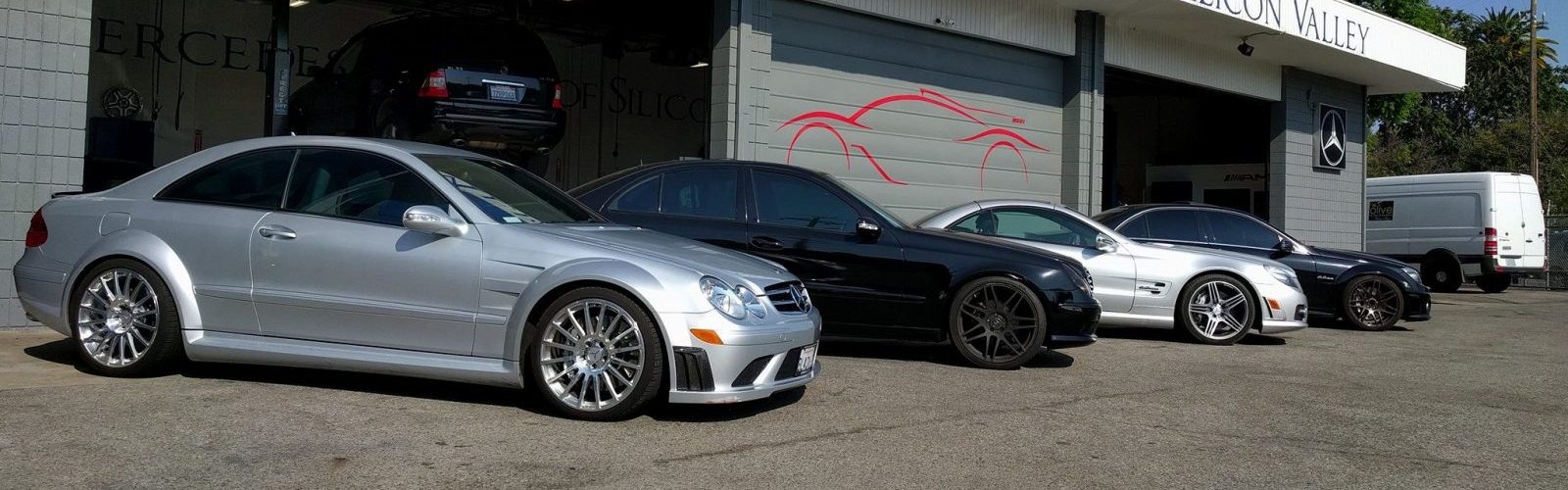

A warning light appears on your Mercedes during the morning commute, or a new vibration shows up just as you are heading out for the weekend. The first question is usually not just, “What is wrong?” It is, “What will this cost, and can I trust the answer?” This Mercedes repair estimate guide helps Silicon Valley owners understand what a professional estimate should include before approving service.
Mercedes-Benz vehicles are engineered as integrated systems. A fault in one area can create symptoms somewhere else, especially with modern electrical networks, turbocharged engines, advanced driver-assistance features, and air suspension systems. A useful estimate is not a guess based on a dashboard message. It is a documented plan built from proper diagnosis, the right parts, and a clear explanation of repair priorities.
What a Mercedes Repair Estimate Should Show
A clear estimate begins with the concern you reported, the technician’s findings, and the recommended correction. It should separate diagnostic work from repair work, identify the affected component or system, and explain whether the recommendation is urgent, preventive, or something that can reasonably be monitored.
Most Mercedes estimates include four cost areas:
- Diagnostic time to test the vehicle, retrieve fault data, and confirm the cause of the concern
- Labor time to remove, repair, calibrate, or reinstall components
- Parts, fluids, hardware, and shop supplies needed to complete the work correctly
- Required programming, adaptations, alignments, or calibrations after the repair
The total matters, but the detail matters more. An estimate that simply says “repair engine” or “electrical issue” does not give you enough information to make an informed decision. You should be able to understand what is being repaired, why it is needed, and what work may need to happen first.
Why Diagnosis Is Part of the Estimate
Many owners are surprised to see a diagnostic charge before receiving a repair price. On a Mercedes, diagnosis is the work that prevents unnecessary parts replacement. A check engine light, for example, may be caused by a sensor, a wiring issue, a vacuum leak, a fuel-delivery concern, or a mechanical problem. Reading a generic code is only the starting point.
A Mercedes specialist uses brand-specific diagnostic equipment, live data, test procedures, and experience with common model-specific patterns to narrow down the actual cause. The same principle applies to intermittent battery warnings, suspension faults, transmission concerns, and driver-assistance alerts. A vehicle may need a road test, charging-system test, smoke test, visual inspection, or electrical measurement before the technician can responsibly quote the repair.
Proper diagnosis can feel like an added expense, but it is often the most cost-conscious step. Paying to confirm the fault is usually less expensive than installing parts that never addressed the original problem.
Estimates Can Change for Legitimate Reasons
A professional shop should provide an estimate before beginning approved repairs, but some jobs reveal additional needs after disassembly. A leaking oil cooler, for example, may expose brittle hoses or seals that are not visible until surrounding components are removed. Brake work may uncover worn sensors, damaged hardware, or a seized caliper slide.
That does not mean every added recommendation is justified. The difference is communication. You should be contacted before additional work is performed, given a reason for the change, and told whether the newly found issue is necessary to complete the repair or simply advisable while access is available.
Labor Costs Depend on Access and Procedure
Mercedes repair labor is not based solely on the size of a part. A small component located under the intake manifold, behind a bumper cover, or within a tightly packaged engine bay can require several hours of careful removal and reassembly. On many late-model vehicles, replacing a component may also require software initialization, sensor calibration, or verification with factory-level procedures.
This is especially relevant for air suspension, cooling-system repairs, timing components, turbocharger work, electrical diagnosis, and safety-system repairs. The labor estimate should reflect the proper procedure, not a shortcut that creates a second problem later.
An independent Mercedes specialist can often offer a meaningful value compared with dealership pricing, but the lowest labor rate is not always the lowest final cost. Experience matters when the repair involves a platform-specific issue, delicate trim, advanced electronics, or an AMG performance system. The goal is efficient, correct work the first time.
OEM Parts, Aftermarket Parts, and the Right Choice
Parts selection has a direct effect on both your estimate and the long-term reliability of the repair. OEM parts and fluids are designed to meet Mercedes specifications for fit, performance, and durability. For critical systems such as brakes, cooling, engine management, suspension, and safety equipment, OEM-quality components are usually the sensible choice.
There are cases where high-quality aftermarket parts can be appropriate, particularly for certain wear items or performance-focused applications. However, not every aftermarket option delivers the same fitment, material quality, or electronic compatibility. A lower initial price can become expensive if a part fails early, causes warning lights, or requires the same labor to be performed again.
Ask what brand of part is being quoted and why. A trustworthy advisor should be comfortable explaining the recommendation without pressuring you toward an option you do not understand.
A Mercedes Repair Estimate Guide to Priorities
Not every item on an inspection report needs to be repaired immediately. A good service advisor helps you distinguish between safety concerns, active failures, maintenance needs, and items to watch. That conversation is particularly valuable for owners managing a higher-mileage Mercedes or planning service around a budget.
Safety-related concerns should come first. These include significant brake wear, damaged tires, steering or suspension play, overheating risks, fuel leaks, and warning lights tied to restraint or driver-assistance systems. Issues that could leave you stranded, such as a weak battery, charging fault, cooling leak, or failing belt system, are often the next priority.
Maintenance recommendations can sometimes be scheduled. Fluid services, spark plugs, filters, and transmission maintenance may not produce an immediate warning light, but delaying them too long can shorten the life of expensive components. A knowledgeable Mercedes shop can explain the manufacturer interval, the vehicle’s condition, and the consequences of waiting.
For non-urgent items, ask whether the condition is mild, moderate, or severe, and what symptoms should prompt you to return sooner. This gives you a practical plan rather than a vague list of repairs.
Signs an Estimate Needs More Explanation
You do not need to be a technician to recognize when an estimate lacks clarity. Be cautious if a shop cannot identify the failed system, recommends major parts without documented testing, or refuses to separate urgent repairs from maintenance suggestions.
It is also reasonable to ask about warranty coverage on parts and labor, whether an estimate includes tax and shop supplies, and whether programming or calibration is required after the repair. For collision-related work, wheel alignments, sensor replacements, and advanced driver-assistance systems, calibration may be essential to restore proper operation.
A transparent shop will welcome these questions. Good service is not about using technical language to overwhelm an owner. It is about translating the findings into a decision you can make with confidence.
Questions Worth Asking Before You Approve
Before authorizing a significant repair, ask what test confirmed the diagnosis, whether the repair addresses the root cause or only the symptom, and whether there are related parts that make sense to replace while the area is accessible. If the estimate includes maintenance, ask how soon it is needed and what could happen if you postpone it.
For older Mercedes vehicles, also discuss your ownership plans. If you intend to keep the vehicle for years, completing related preventive work during a labor-intensive repair may offer better value. If you are preparing to sell or trade the vehicle soon, a more limited repair strategy may be reasonable, provided it does not compromise safety or reliability.
At Mercedes Service of Silicon Valley, the objective is to give owners a clear technical explanation and practical options, not to turn every visit into a maximum-price repair order.
Local Factors That Can Affect Your Cost
Silicon Valley driving creates its own maintenance pattern. Stop-and-go traffic can increase brake wear and heat stress. Long commutes raise the importance of cooling-system condition, tires, fluids, and battery health. Hot weather, steep grades, and frequent short trips can also expose weaknesses in older batteries, charging systems, and air-conditioning components.
Your model matters as well. A C-Class commuter, a GLE family SUV, an AMG vehicle, and a Sprinter each have different service requirements, parts costs, and diagnostic complexity. The most accurate estimate comes from inspecting your specific vehicle, not from relying on broad online price ranges.
The best repair estimate leaves you informed rather than rushed. When you understand the diagnosis, the parts choice, the labor involved, and the order of priorities, you can protect your Mercedes with the same care that went into engineering it.