You feel the difference when your Mercedes is maintained properly. The steering stays tight, the drivetrain feels composed, warning lights are handled before they become expensive problems, and the car keeps the character Mercedes engineered into it. That is why the mercedes dealer vs specialist question matters more than most owners realize – especially once the warranty is gone, the mileage climbs, or you want honest answers instead of a generic service lane experience.
For many drivers, the dealership feels like the default choice. It carries the brand name, has the showroom, and presents itself as the official source for service. There are situations where that makes sense. But for a large number of Mercedes owners, an independent specialist offers the better long-term fit because the quality of care depends less on the building and more on the people, tools, experience, and standards behind the repair.
Mercedes dealer vs specialist: what is the real difference?
At a high level, both a dealer and a Mercedes specialist can perform maintenance and repairs. The difference is in how that work is approached.
A dealership operates within a large franchise system. Its service department is designed to handle volume across sales, warranty processing, maintenance packages, recalls, and customer traffic. That structure can be useful for brand-new vehicles, factory campaigns, and certain warranty-covered concerns. But it can also create a more transactional experience, where communication passes through advisors, pricing follows dealership overhead, and recommendations may feel broader than necessary.
A true Mercedes specialist is different. The best ones focus only or primarily on Mercedes-Benz vehicles, invest in factory-level diagnostic equipment, follow OEM procedures, and understand the patterns that come from seeing the same platforms every day. That kind of specialization often leads to more accurate diagnosis, more practical repair planning, and a better conversation about what needs immediate attention versus what can wait.
That distinction matters in the real world. A Mercedes is not just another import. Its electronics, suspension systems, turbocharging, engine management, safety systems, and model-specific service requirements reward brand familiarity. General mechanical skill is important, but Mercedes-specific experience is what helps avoid misdiagnosis and unnecessary parts replacement.
When the dealer is the right choice
There are times when the dealer is absolutely the correct place to go.
If your vehicle is under factory warranty and the issue may be covered, a dealer is often the most direct option. The same applies to recall work, service campaigns, and certain manufacturer-backed updates. In those cases, the dealer has direct franchise access to warranty authorization and factory administrative channels.
Some owners also prefer the dealership while their car is very new because it feels consistent with the ownership experience they expected when they bought the vehicle. That preference is understandable. If convenience, warranty handling, or recall processing is the main priority, the dealer has a clear role.
Still, that does not mean the dealer is automatically the best place for everything after the first few years of ownership. Once a Mercedes is out of warranty, the decision becomes much more about value, expertise, and trust.
Why many owners prefer a Mercedes specialist
The strongest independent specialists are built around focus. They work on Mercedes-Benz vehicles every day, which means they know the common failure points, the software behavior, the service intervals that matter, and the difference between a real problem and a symptom that needs deeper testing.
That can save owners money in two ways. First, diagnosis tends to be sharper. Instead of replacing parts in sequence, a specialist is more likely to trace the issue correctly from the start. Second, the recommendations are often more tailored. Not every car needs the same repair strategy just because it shares a model line. Condition, mileage, service history, and how you drive all matter.
This is where the mercedes dealer vs specialist comparison becomes less about image and more about outcomes. If your goal is to keep your Mercedes reliable, safe, and enjoyable without paying for unnecessary work, specialization has real value.
A good specialist also tends to offer a more direct relationship with the shop. You are not just a repair order number moving through a large system. You can ask questions, understand the reasoning behind the recommendation, and get a clearer picture of what is urgent, what is preventive, and what can be monitored.
Cost is not the only factor, but it matters
Mercedes owners in Silicon Valley are usually not looking for the cheapest repair. They want the repair done correctly. But they also do not want to overpay for overhead, inflated labor rates, or service recommendations that do not fit the actual needs of the vehicle.
Dealership pricing often reflects the cost of operating a franchise facility. That includes the showroom environment, corporate structure, and higher administrative overhead. Those costs show up in labor rates and, in many cases, the total invoice.
An independent Mercedes specialist can often provide the same level of technical care at a better value because the operation is centered on service rather than the full dealership model. That does not mean cutting corners. It means focusing resources where they matter – factory-trained technicians, proper diagnostics, OEM or OE-quality parts, and the time needed to diagnose correctly.
The key is to separate lower cost from lower standards. A specialist should not be chosen just because the estimate is smaller. The right shop earns trust by explaining why the repair is needed, what parts are being used, and how the work supports the long-term health of the car.
Diagnostics are where specialists prove themselves
Modern Mercedes vehicles depend heavily on electronics and networked control modules. A check engine light, suspension fault, battery drain, misfire, transmission complaint, or driver assistance warning can have several possible causes. Reading a fault code is not the same thing as diagnosing the vehicle.
This is one of the biggest reasons owners leave dealerships frustrated. They may receive a large estimate tied to a code or a broad recommendation without a meaningful explanation of root cause. That is not always the case, but it happens often enough that experienced Mercedes owners start looking elsewhere.
A proper specialist approaches diagnostics with discipline. That means using Mercedes-capable equipment, understanding factory test plans, verifying faults, and confirming repairs before handing the vehicle back. It also means knowing when a symptom points to a common Mercedes issue and when it requires more in-depth electrical or mechanical testing.
For owners of AMG models, older E-Class and S-Class vehicles, turbocharged four-cylinders, diesel Mercedes, or Sprinters, this level of depth becomes even more important. These are not vehicles that respond well to guesswork.
Parts, fluids, and workmanship matter more than the logo on the building
One of the most common concerns owners have about leaving the dealership is whether the shop will use the right parts and fluids. That concern is valid. Mercedes vehicles are sensitive to specifications, especially when it comes to oil, transmission service, cooling systems, brake components, and electronic parts.
The right specialist understands this and builds the shop around it. OEM parts, OE-quality components when appropriate, and fluids that meet Mercedes specifications are not optional extras. They are part of doing the job correctly.
Workmanship matters just as much. A careful Mercedes specialist pays attention to details that affect reliability over time – proper torque procedures, correct reset and adaptation steps, thorough inspections, and clean installation practices. The standard should be dealer-level or better, not dealer-alternative in the sense of lesser quality.
The service experience is different too
Most owners know when they are being sold to and when they are being advised. That difference shapes trust.
At a dealership, the process can feel polished but distant. You may speak with an advisor who is managing a large number of vehicles, with limited time to explain the repair path in detail. Recommendations can arrive as a package, and it is not always easy to tell what is essential, what is preventive, and what can reasonably wait.
At a specialist shop, the conversation is usually more grounded. You are more likely to get a practical explanation and a repair plan based on priorities. That is especially valuable if you plan to keep the vehicle for years, maintain performance, or manage repairs strategically instead of approving everything at once.
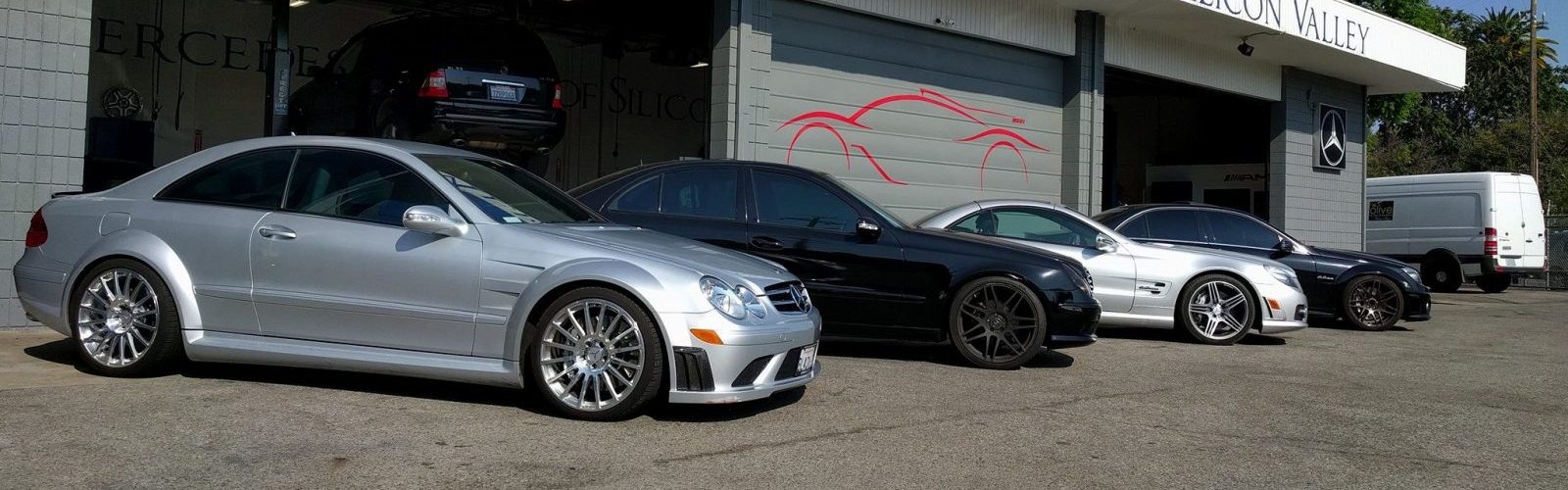
For many local owners, that personal side is not a bonus. It is the reason they switch. Shops like Mercedes Service of Silicon Valley have built their reputation on exactly that combination of factory-trained knowledge, transparency, and honest guidance.
So, which should you choose?
If your Mercedes needs recall work or a warranty repair, the dealer may be the right call. If your vehicle is out of warranty and you want specialized care, clearer communication, and better value without compromising standards, a Mercedes specialist is often the stronger choice.
The real question is not whether a shop has a Mercedes sign out front. It is whether the people working on your vehicle understand Mercedes systems deeply, use the right equipment, choose the right parts, and treat you like a long-term client instead of a one-time ticket.
Your Mercedes will tell you which shop you chose. You will feel it in how it drives, how consistently it performs, and how rarely the same issue comes back.