A Mercedes that starts to wander on Highway 101, clunk over San Jose side streets, or sit unevenly in the driveway is telling you something long before a warning light appears. When owners search for mercedes chassis repair san jose services, they are usually not looking for a generic suspension shop. They are looking for someone who understands how Mercedes engineering is supposed to feel when it is right – stable, quiet, precise, and confident at speed.
That distinction matters because chassis repair on a Mercedes is rarely just about replacing one noisy part. The chassis system ties together suspension, steering, ride control, bushings, mounts, subframes, wheel bearings, alignment geometry, and in many models, electronically managed components such as AIRMATIC or ABC. If the diagnosis is rushed, the result is often a car that still does not drive like a Mercedes even after money has been spent.
What Mercedes chassis repair really includes
When people hear the word chassis, they often think only of shocks or struts. On a Mercedes-Benz, the scope is broader. Chassis repair can involve control arms, thrust arms, ball joints, sway bar links, tie rods, steering racks, wheel bearings, air suspension components, coil springs, hydraulic ride control parts, subframe bushings, engine and transmission mounts, and the alignment work that follows.
The goal is not simply to stop a noise. It is to restore the way the vehicle carries its weight, responds to steering input, absorbs road imperfections, and maintains tire contact under braking and cornering. On a luxury performance platform, small amounts of wear can change the driving experience more than many owners expect.
That is especially true in Silicon Valley traffic, where a Mercedes may spend one part of the day in stop-and-go commuting and another at freeway speed. A chassis issue that feels minor at low speed can become very noticeable during lane changes, braking, or rough pavement transitions.
Signs you may need Mercedes chassis repair in San Jose
Some symptoms are obvious. Others are easy to dismiss until they start affecting safety, tire wear, or overall drivability. If your Mercedes feels different than it used to, that change is worth paying attention to.
A front-end clunk over bumps often points to worn control arm bushings, sway bar links, or ball joints. A loose or wandering steering feel can come from tie rods, alignment issues, worn suspension arms, or steering components. Uneven ride height may indicate failing springs or air suspension faults. Vibration can be related to wheel balance, but it can also come from worn mounts, bearings, bent components, or suspension wear.
Tire wear tells an important story too. Inner-edge wear, feathering, or rapid wear on one corner can indicate underlying chassis problems, not just an alignment that drifted out of spec. If the alignment keeps changing, there is usually a reason.
Then there are the less obvious clues. A Mercedes that feels harsher than normal, noses excessively under braking, squats under acceleration, or leans more than it should in turns may have chassis wear that has developed gradually enough to escape notice. Many owners adapt to the decline until they drive a properly sorted car again.
Why Mercedes chassis diagnosis is not the same as generic suspension work
Mercedes designs are precise, but they are also model-specific. What is common wear on an E-Class may not match the failure pattern on an S-Class, GLE, AMG model, or Sprinter. Some systems are straightforward mechanical setups. Others combine electronics, hydraulics, air springs, level sensors, valve blocks, and control modules.
That is why diagnosis matters more than parts volume. Replacing parts based on guesswork can get expensive quickly, especially on luxury vehicles where one issue can imitate another. A failed air strut may look like a compressor problem. A vibration blamed on tires may actually be caused by worn suspension links. A steering complaint may trace back to multiple worn components interacting together.
Factory-trained Mercedes technicians approach the car differently. They road test for specific behaviors, inspect wear points known to the model, check play under load, read fault data where applicable, and look at the system as a whole. That process helps separate what is urgent from what is simply showing age.
For owners, that means fewer surprises and a clearer repair plan. It also means you are less likely to pay for parts you do not need.
Common Mercedes chassis problems in this area
In the San Jose area, road conditions, mileage, heat, and everyday commuting patterns all influence chassis wear. Potholes, rough transitions, parking impacts, and long freeway miles are hard on suspension components over time.
On many Mercedes models, front suspension arms and bushings are common wear items as mileage climbs. Air suspension systems can develop leaks, compressor strain, or height control faults. Steering components may loosen gradually, creating a vague feel that owners notice most on the freeway. Wheel bearings can begin with a subtle hum and become increasingly obvious if left alone.
AMG models add another layer. Their chassis tuning is tighter and more performance-focused, which often makes wear more noticeable. Larger wheels and lower-profile tires can also transfer more road harshness into suspension components. That does not mean they are fragile. It means proper inspection and repair standards matter even more.
SUVs and Sprinters have their own patterns as well. Heavier vehicles place different loads on suspension and steering parts, and customers who carry cargo or drive long distances may see wear develop in ways a casual driver would not.
What a proper repair process should look like
Good chassis repair starts with confirmation, not assumptions. The first step should be listening to the driver, because the way you describe the symptom often helps narrow the problem. Does the noise happen only over bumps? Only while turning? Only at highway speed? Does the vehicle sit low after being parked overnight?
From there, the inspection should include a thorough undercar check, component testing, and ride-height or fault-code evaluation if the vehicle uses air or hydraulic suspension. A road test before and after repair is equally important. You want a technician to verify the complaint, perform the work, and confirm the fix.
The best repair plans are also honest about priorities. Some cars need immediate safety-related work. Others may have a combination of urgent repairs and developing wear items that can be monitored. For a customer, that kind of transparency matters. It helps you make smart decisions without feeling pushed into unnecessary service.
Parts quality is another major factor. On a Mercedes, cheap suspension parts often become expensive in the long run because they wear quickly, fit poorly, or fail to restore the original ride and handling. OEM parts and fluids are not just a branding preference. In many cases, they are the difference between a repair that feels right and one that only partially fixes the problem.
Choosing a shop for mercedes chassis repair san jose owners can rely on
If you own a Mercedes in Silicon Valley, you already know that not every shop is equipped for this level of work. The right shop should have Mercedes-specific diagnostic capability, real familiarity with chassis systems across multiple model lines, and technicians who understand what normal Mercedes ride quality feels like.
Just as important, the shop should communicate clearly. You should be able to ask why a repair is needed, what happens if you wait, and whether related components should be addressed at the same time. A trustworthy answer is rarely the most dramatic one. Sometimes the right call is to repair what is worn now and keep an eye on the rest.
That is where an independent Mercedes specialist often provides better value than either a general repair shop or a dealership experience that feels rushed. You want dealer-level technical knowledge, but with a more personal conversation about your car, your budget, and your plans for ownership.
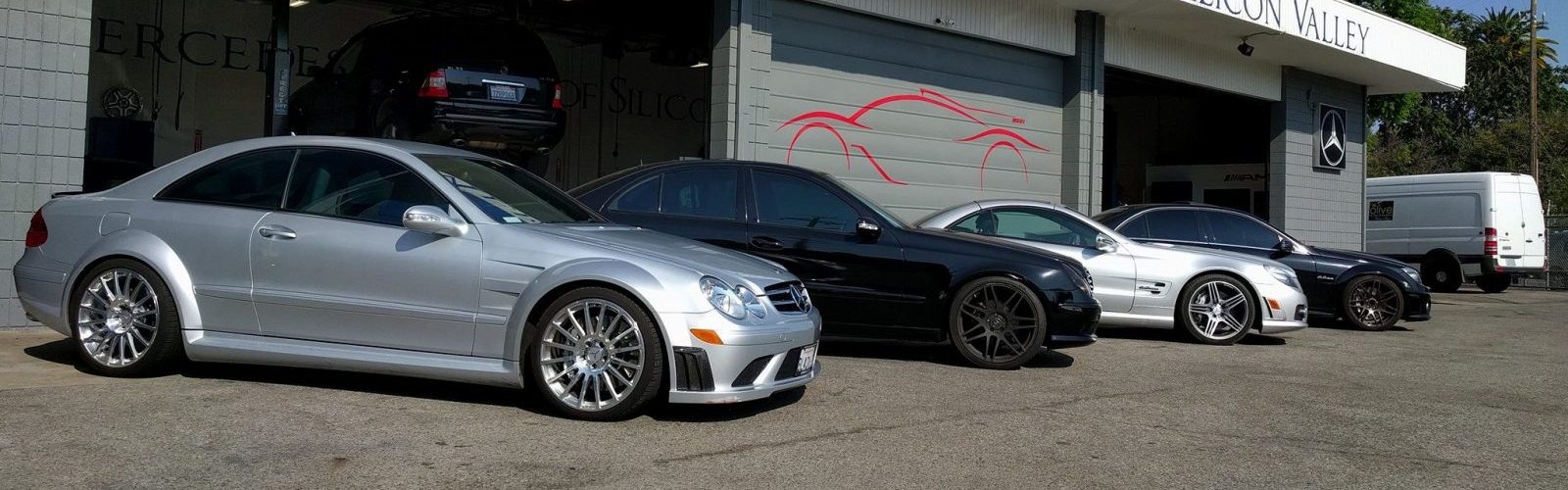
Mercedes Service of Silicon Valley built its reputation around exactly that kind of relationship – factory-trained expertise, model-specific diagnostics, OEM-quality standards, and straightforward recommendations for owners who want their cars fixed properly without unnecessary upselling.
Why waiting usually costs more
Most chassis problems do not stay isolated for long. A worn bushing changes alignment. Bad alignment wears tires. Tire wear affects handling and braking. A failing air suspension component can overwork the compressor. A loose steering or suspension part can place added stress on nearby components.
There is also the quality-of-life factor. One of the reasons people buy Mercedes-Benz vehicles is the way they drive. When the chassis is sorted, the car feels planted and refined. When it is not, even a well-maintained Mercedes starts to feel older than it is.
If something feels off, trust that instinct. The right inspection can tell you whether the issue is minor, developing, or safety-related, and it can usually save money compared with waiting for a larger chain reaction. A well-repaired chassis does more than eliminate a noise – it gives the car back the composure it was engineered to have.