Your Mercedes rarely gives subtle hints when the braking system needs attention. A squeal at low speed, a vibration through the pedal on Highway 101, or a warning message on the dash can quickly turn a normal drive into a real concern. That is when working with a mercedes brake repair specialist matters – not just a general repair shop, but a team that understands how Mercedes-Benz braking, safety, and electronic control systems work together.
Mercedes brake repair is not just about replacing pads and sending the car back out. On modern C-Class, E-Class, S-Class, GLE, GLS, AMG, and Sprinter models, the brake system is tied to wheel speed sensors, ABS, traction control, stability systems, and model-specific service procedures. If the root cause is missed, you can end up paying for parts you did not need while the actual problem stays unresolved.
What a Mercedes brake repair specialist actually does
A true Mercedes brake repair specialist starts with diagnosis, not assumptions. Brake noise does not always mean worn pads. A soft pedal does not always mean air in the lines. Pulsation does not always mean the rotors are the only issue. Mercedes vehicles can develop brake concerns related to pad material, rotor wear patterns, sticking calipers, sensor faults, hydraulic issues, or even driving habits that affect heat cycling and wear.
This is where Mercedes-specific experience makes a difference. Factory-trained technicians know the expected wear patterns across different chassis, understand the brake service intervals by model, and use the correct procedures for inspection and replacement. They also know when a brake complaint is actually tied to chassis or suspension concerns, which can feel similar from the driver’s seat.
A specialist also pays attention to the details that matter over time. That includes using OEM or equivalent-quality components, checking rotor condition rather than replacing parts blindly, inspecting the brake fluid’s condition, confirming sensor operation, and resetting service indicators properly. On many Mercedes models, doing the job correctly is what keeps the car feeling like a Mercedes after the repair.
Why Mercedes brake systems are different from many other vehicles
Mercedes-Benz designs braking systems around more than stopping distance alone. Pedal feel, high-speed stability, brake balance, electronic intervention, and heat management are all part of the engineering. That is especially true on heavier SUVs, performance-oriented AMG models, and newer vehicles with advanced driver assistance features.
The trade-off is that brake service can be less forgiving when shortcuts are taken. Lower-quality pads may save money upfront but create excess dust, noise, poor pedal feel, or faster rotor wear. Incorrect installation can trigger warning lights or uneven braking. Skipping proper inspection can mean replacing pads while missing a caliper issue that damages the new components early.
Brake fluid service is another area where brand-specific knowledge matters. Mercedes brake fluid absorbs moisture over time, and that affects performance, internal corrosion risk, and consistent braking under heat. On a daily commuter, that may show up as reduced confidence during hard braking. On an enthusiast-driven car, it can show up much sooner.
Signs you should see a Mercedes brake repair specialist
Some brake warnings are obvious, and some are easy to dismiss until they become expensive. If you hear grinding, feel vibration, notice the vehicle pulling under braking, or see a brake wear or ABS warning light, it is time to have the car inspected. The same goes for a brake pedal that feels unusually soft, hard, or inconsistent.
Less obvious signs matter too. A rise in stopping distance, a burning smell after normal driving, or one wheel producing more brake dust than the others can point to uneven brake function. On Mercedes vehicles, electronic faults can also trigger symptoms that seem mechanical at first.
It depends on the model and how the vehicle is used. A San Jose commuter dealing with stop-and-go traffic will wear brakes differently than a driver covering long freeway miles between Fremont and Gilroy. An AMG driven spiritedly will place very different demands on the system than a family GLC used mainly for errands and school runs. That is why inspection should be based on condition, not guesswork.
The difference between basic brake service and correct brake service
Any shop can quote pads and rotors. The real question is whether the shop is performing brake service to Mercedes standards. Correct brake service begins with measuring wear, inspecting hydraulic components, checking sensor condition, evaluating the calipers and hardware, and confirming whether the complaint matches the visible wear.
From there, parts selection matters. Mercedes owners who want the quietest operation may choose one approach. Drivers who prioritize dust reduction may consider another, provided it still meets the vehicle’s performance needs. For AMG and other high-performance applications, there is even less room for compromise. The wrong parts can change the feel of the car in ways owners notice immediately.
The installation process matters just as much. Proper torque, correct bedding procedures, clean mating surfaces, and accurate fluid handling all affect results. If those steps are rushed, the brakes may technically work, but they may not perform the way they should.
Mercedes brake repair specialist vs dealership
For many owners, the dealership feels like the safe choice because the brand name is on the building. But dealer affiliation alone does not guarantee a better experience. What many Silicon Valley drivers actually want is Mercedes expertise without inflated pricing, unnecessary upsells, or a service process that feels impersonal.
An independent Mercedes specialist can often provide the same level of technical capability with a more direct and transparent approach. That means factory-trained knowledge, proper diagnostic equipment, OEM parts and fluids, and recommendations based on what the vehicle truly needs now versus what can reasonably wait.
That last point matters. Brake service is one of the most common areas where owners worry about being sold more than necessary. A trustworthy shop explains pad thickness, rotor condition, fluid status, and any related concerns clearly. If the rear brakes are due now but the fronts still have life left, you should hear that. If a warning light points to an electrical issue rather than a full brake overhaul, you should hear that too.
What Silicon Valley Mercedes owners should expect from brake service
Local driving conditions are hard on brakes. Dense traffic, short trips, warm weather, steep parking structures, and sudden freeway slowdowns all add wear. If you drive a heavier Mercedes SUV or a Sprinter, the load on the braking system is even greater.
That is why local owners should expect a brake inspection to be thorough and specific. You should get a clear explanation of what is worn, what is functioning normally, and what needs attention soon. You should also expect recommendations that match how you actually use the vehicle, not a generic maintenance pitch.
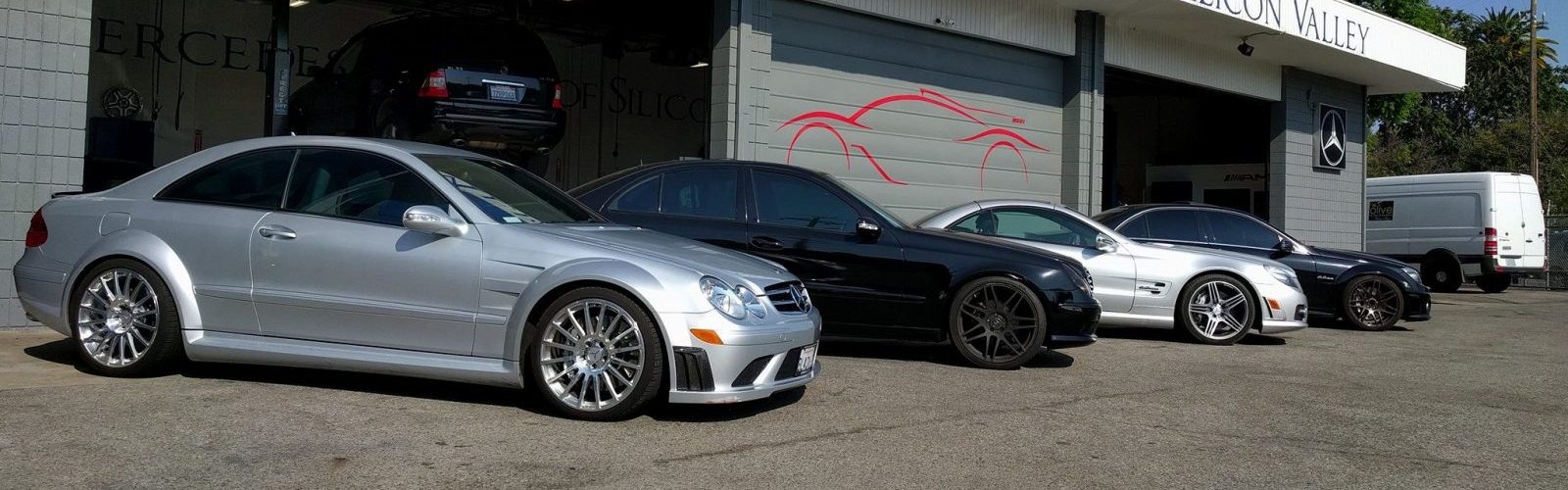
At a shop like Mercedes Service of Silicon Valley, that approach is part of the value. Owners are not just looking for someone who can replace brake components. They are looking for a team that knows the brand, understands the difference between normal wear and a developing issue, and takes the time to be honest about both.
How to choose the right Mercedes brake repair specialist
Start with specialization. If a shop works on everything from compact economy cars to heavy-duty trucks, Mercedes brake diagnosis may not be its strength. A shop focused on Mercedes-Benz will usually be better equipped to identify model-specific issues and follow the right procedures.
Then ask about technician background, diagnostic capability, and parts standards. Factory training matters. Mercedes-compatible diagnostic equipment matters. OEM-quality parts matter. So does the willingness to explain findings in plain language.
Finally, pay attention to how the shop communicates. The best specialists do not hide behind jargon. They explain what is urgent, what is maintenance, and what can be monitored. That kind of honesty is often the difference between a one-time repair visit and a long-term service relationship.
Brake work is about safety, but it is also about confidence. When the system is inspected properly and repaired with the right expertise, your Mercedes should stop smoothly, track straight, and feel composed the way it was engineered to. If something feels off, trust that instinct and have it checked before a small issue becomes a much larger one.