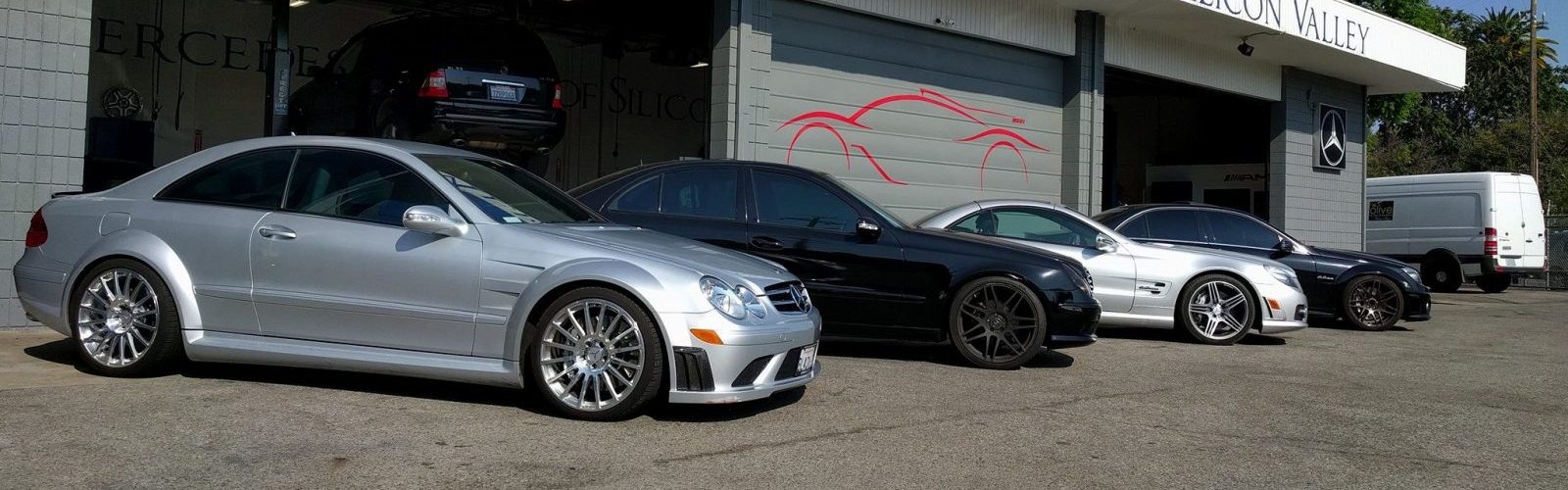

A lot of Mercedes owners ask the same question right after the first service estimate lands in their inbox – is Mercedes maintenance really expensive, or is that reputation exaggerated? The honest answer is that Mercedes maintenance usually costs more than mainstream brands, but not always for the reasons people assume. You are not just paying for a badge. You are paying for a vehicle built with tighter engineering tolerances, more advanced systems, specific fluid and parts requirements, and service procedures that leave less room for guesswork.
That said, expensive and overpriced are not the same thing. For many owners in Silicon Valley, the real issue is not whether maintenance costs more than a basic commuter car. It is whether the work is necessary, whether it is being done correctly, and whether the shop is transparent about what can wait and what cannot.
Why Mercedes maintenance costs more in the first place
Mercedes-Benz vehicles are engineered to a higher standard than most mass-market cars, and that affects routine service from the ground up. Oil changes often require more expensive synthetic oil, larger oil capacities, and model-specific filters. Brake systems are designed around performance and safety, which can mean premium pads, rotors, wear sensors, and electronic brake service procedures. Even something as simple as a battery replacement may involve registration or programming depending on the model.
Modern Mercedes vehicles also rely heavily on integrated electronics. When a warning light comes on, the right next step is not trial and error. It is proper diagnostic work with factory-level equipment and a technician who understands how Mercedes systems communicate with each other. That expertise matters because a rushed or generic diagnosis can easily turn one repair into three.
Labor is part of the equation too. A technician who works on Mercedes every day will usually spot patterns, common failure points, and maintenance priorities faster than a general repair shop. That specialized knowledge can save money in the long run, even if the hourly rate is not bargain-basement pricing.
Is Mercedes maintenance really expensive compared to other cars?
Compared to Toyota, Honda, or Ford ownership, yes, Mercedes maintenance is usually more expensive. Compared to BMW, Audi, Porsche, Land Rover, or other European luxury brands, it is often right in line and sometimes more predictable.
The important comparison is not just brand versus brand. It is maintenance versus neglect. A well-maintained Mercedes can be a very dependable vehicle. A poorly maintained one can become expensive fast because small issues tend to affect larger systems. A leaking valve cover, for example, is not only a leak. Left alone, it can contaminate ignition components and create drivability problems. Worn suspension components are not just about ride comfort. They can affect tire wear, handling, and braking stability.
This is why Mercedes ownership rewards consistency. If you stay ahead of scheduled service and address issues early, costs are easier to manage. If service gets deferred until multiple warning lights are on, the bill usually reflects it.
The services that shape your long-term cost
Not every maintenance item carries the same financial weight. Fluids, filters, spark plugs, brakes, transmission service, suspension wear, cooling system components, and electrical diagnostics are the categories that most often define ownership cost over time.
Routine maintenance tends to be manageable when it is planned. Annual service, brake fluid flushes, transmission service at the appropriate interval, and quality oil changes are part of owning a premium German vehicle. They are not pleasant surprises, but they should not be shocking either.
Where costs can climb is when maintenance has been skipped or when a shop uses low-grade parts and fluids that create problems later. Mercedes vehicles are sensitive to the quality of the components installed. The wrong fluid spec, an off-brand sensor, or a cheap filter can cause repeat visits and harder-to-trace issues.
For AMG models, higher-performance SUVs, and vehicles with air suspension or advanced driver assistance systems, maintenance and repair costs can be higher simply because the systems are more complex and the parts are more specialized. Sprinter owners also have their own set of considerations, especially if the vehicle is heavily used for business or delivery work.
The dealership factor
When people say Mercedes maintenance is expensive, what they often mean is dealership maintenance is expensive. Dealerships typically have higher overhead, less flexibility, and a more standardized pricing structure. For some owners, that translates into a bill that feels disconnected from the actual condition of the car.
A specialized independent Mercedes shop can change that experience significantly. The work should still be done to Mercedes standards, using OEM parts, correct fluids, and proper diagnostic equipment, but the conversation is usually different. Instead of a broad list of recommendations, the focus should be on what the vehicle needs now, what should be planned for next, and what is not urgent yet.
That difference matters. It helps owners budget realistically without compromising the car.
How to tell when maintenance is reasonable and when it is not
The best way to evaluate cost is to look past the total and ask what is included. A lower estimate is not always a better estimate if it leaves out necessary parts, skips diagnostic time, or uses components that do not belong on the car. On the other hand, a high estimate is not automatically justified just because the vehicle is a Mercedes.
A reasonable maintenance recommendation should be specific. You should know what failed, why it matters, what parts are being used, and whether the repair is urgent or preventative. If every visit turns into a major list with no clear explanation, that is a red flag.
Mercedes owners also benefit from working with a shop that understands service history in context. Not every mileage-based recommendation applies the same way to every car. A commuter C-Class, a weekend SL, and a hard-driven AMG do not age the same. Climate, driving style, road conditions, and previous maintenance all matter.
What owners can do to keep costs under control
The smartest way to reduce Mercedes maintenance costs is not to chase the cheapest service. It is to avoid preventable repairs. That starts with staying on schedule, using the right parts and fluids, and responding early when the car gives you signs that something is off.
If the ride feels harsher, the engine idles rough, the coolant level drops, or a warning message appears, waiting rarely makes the repair cheaper. Mercedes systems are built to perform well, but they are also interconnected. A minor issue in one area can trigger wear or faults elsewhere.
It also helps to have your car inspected by people who know Mercedes platforms well. A factory-trained specialist can often prioritize repairs in a way that protects your budget. Some items need immediate attention for safety or to prevent larger damage. Others can be monitored and planned around upcoming service. That kind of honesty is where owners save money.
For local drivers who want dealer-level expertise without dealer pricing, an independent specialist like Mercedes Service of Silicon Valley often makes ownership feel much more practical. The car still gets the level of care it was designed for, but the process is more personal and usually more transparent.
Is the extra cost worth it?
For most Mercedes owners, the answer comes down to expectations. If you expect Camry-level service costs, a Mercedes will probably feel expensive. If you value the engineering, comfort, performance, safety systems, and driving experience that come with the brand, the maintenance makes more sense as part of the total ownership picture.
There is also a difference between a car being expensive to maintain and expensive to own poorly. We see the second scenario more often. The first owner skips routine service to save money. The next owner inherits oil leaks, suspension wear, cooling system problems, and electrical faults, then decides Mercedes are unreliable or outrageously expensive. In reality, many of those costs were delayed, not created.
A properly maintained Mercedes can deliver years of solid performance, but it asks for consistency and technical precision. That is the trade-off. You get a more refined machine, and that machine needs knowledgeable care.
So, is Mercedes maintenance really expensive? Relative to mainstream brands, yes. Relative to the quality of the vehicle and the cost of fixing neglected problems, not necessarily. The more useful question is whether your shop is helping you spend wisely. When maintenance is done correctly, on time, and with honest guidance, Mercedes ownership is often far more manageable than its reputation suggests.
The best approach is simple: find a specialist you trust, stay ahead of the basics, and treat small problems like small problems before they become large ones.