When your Mercedes starts showing a suspension warning, shifts differently on the freeway, or develops an electrical issue that comes and goes, the gap between a general repair shop and a mercedes factory trained mechanic becomes very real. These vehicles are engineered differently, diagnosed differently, and repaired correctly only when the technician understands the systems the way Mercedes intended.
For owners in Silicon Valley, that difference matters even more. Daily commuting, stop-and-go traffic, heat cycles, long highway miles, and the expectation that your vehicle should perform like a Mercedes every day all put pressure on maintenance decisions. If the wrong shop guesses, uses generic procedures, or skips brand-specific diagnostics, the cost usually shows up later.
What a Mercedes factory trained mechanic actually means
The phrase gets used loosely in the automotive world, but it should mean something specific. A Mercedes factory trained mechanic has been trained on Mercedes-Benz systems, service procedures, diagnostic logic, and repair standards rather than relying only on broad aftermarket experience. That matters because a modern Mercedes is not just an engine and transmission. It is a network of control modules, software, sensors, chassis systems, safety features, and model-specific service requirements.
Factory training helps a technician understand how Mercedes designed the vehicle to behave, what common faults look like, and how to test a problem before replacing parts. That reduces guesswork. It also protects owners from the frustrating cycle of replacing one component after another without fixing the root cause.
This is especially important on newer vehicles, AMG models, turbocharged engines, advanced driver assistance systems, and air suspension platforms. Even routine maintenance can be more involved than many owners expect. Fluid specifications, adaptation procedures, battery registration, and electronic resets all matter.
Why Mercedes vehicles need brand-specific expertise
A Mercedes can be reliable for a very long time, but reliability depends on correct service. These cars reward precision. They do not respond well to shortcuts.
A general mechanic may be excellent on many vehicles and still be out of depth on a Mercedes issue that involves coding, control unit communication, or a model-specific failure pattern. The problem is not effort. The problem is platform familiarity. Mercedes-Benz has its own engineering logic, and a technician who works inside that world every day will usually reach the right answer faster.
Take something as simple as a check engine light. On a Mercedes, the stored fault code is only the starting point. A factory-trained technician knows how to read freeze-frame data, evaluate related systems, verify known failure points, and determine whether the code reflects the actual problem or just a symptom. That approach is often the difference between a proper repair and an expensive misdiagnosis.
The same applies to suspension faults, oil leaks, cooling system concerns, electrical drains, transmission behavior, and warning messages on the dash. The vehicle may tell you where the complaint shows up. It takes experience to know why.
The value of dealer-level diagnostics without the dealership feel
Many Mercedes owners assume the dealership is the only place that can properly diagnose their car. That is understandable, but it is not always true. An independent shop with Mercedes specialization, proper diagnostic equipment, OEM-quality parts, and factory-trained technicians can often provide the same level of technical accuracy with a more personal and transparent experience.
That matters because service is not only about fixing the car. It is also about communication. Owners want to know what is urgent, what can wait, and what is worth doing now to prevent a larger repair later. They do not want vague recommendations or blanket upsells. They want straight answers.
A good independent Mercedes specialist usually has more room to build that kind of relationship. You are more likely to speak with people who know your vehicle history, remember past repairs, and understand how you use the car. If you commute daily from San Jose to Fremont, or you keep an older E-Class as a family vehicle, or you expect your AMG to stay sharp and responsive, those details affect service recommendations.
What a Mercedes factory trained mechanic should help you avoid
The biggest benefit is not just expertise. It is avoiding avoidable mistakes.
One common issue is replacing parts before testing. Mercedes problems can overlap. A battery issue can create multiple warning lights. A sensor fault can point toward a larger wiring or control issue. A poor oil leak diagnosis can lead to repairing the wrong seal while the real source continues leaking.
Another issue is using incorrect parts or fluids. Mercedes vehicles are sensitive to specification. The right fluid is not a small detail in a transmission, differential, or engine service. The right filter, gasket, and hardware also matter more than many non-specialist shops realize.
Then there is the maintenance schedule itself. Some owners are told to do everything immediately. Others are told to wait too long. The right shop helps prioritize. That means handling safety and reliability items first, planning for wear items before failure, and being honest about what is necessary versus what is optional.
Signs you have found the right Mercedes specialist
Credentials matter, but so does how the shop operates. A true specialist should be comfortable explaining the diagnostic process, not just quoting a repair. They should know Mercedes service patterns across sedans, SUVs, coupes, AMG vehicles, and Sprinters. They should also be clear about parts quality, labor recommendations, and what they found during inspection.
Transparency is a strong indicator of competence. When a shop can explain why a repair is needed, what happens if you delay it, and what alternatives exist when appropriate, that usually reflects real confidence. Shops that rely on pressure often do so because they are selling emotion rather than technical judgment.
Consistency also matters. Mercedes ownership is long-term ownership. You want a shop that can handle routine maintenance, diagnostics, complex repair, and performance-oriented work if needed. That continuity makes it easier to track trends in your vehicle over time.
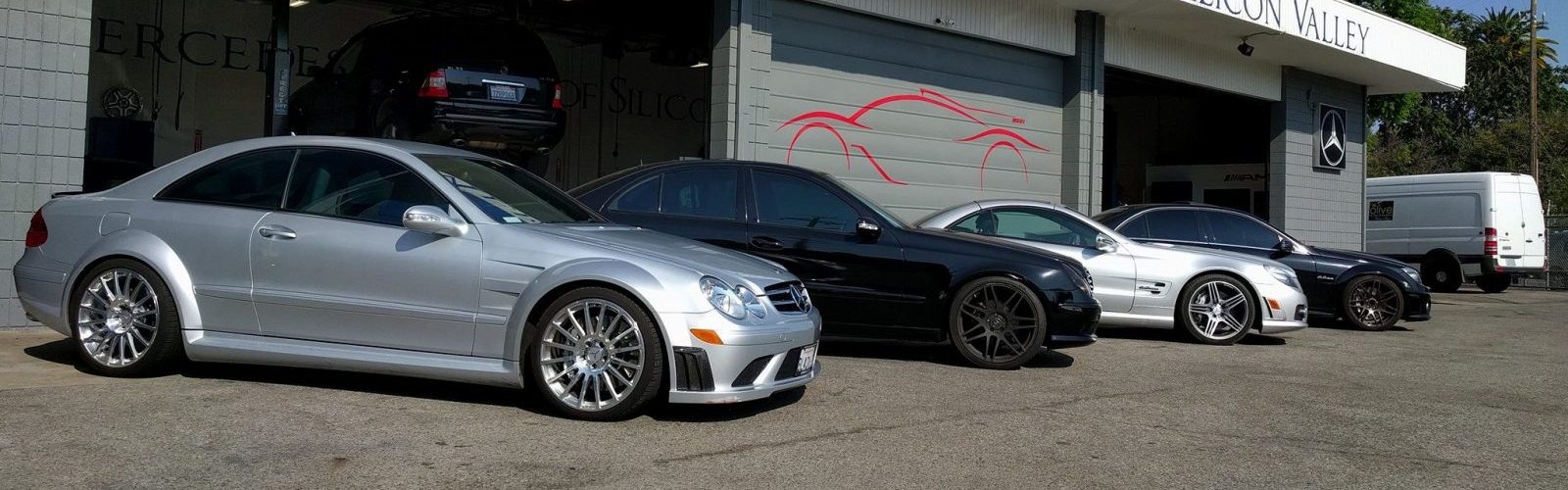
For many local owners, that is where a specialized independent shop stands out. Mercedes Service of Silicon Valley has built its reputation around exactly that kind of relationship – dealer-level Mercedes knowledge paired with honest recommendations and a more personal service experience.
Mercedes factory trained mechanic vs general luxury repair shop
There is some overlap, and not every general luxury shop is the same. Some are very capable. But if your goal is the best fit for your Mercedes, specialization usually wins.
A luxury import shop may see BMW, Audi, Porsche, Land Rover, and Mercedes side by side. That broad exposure can be useful, but it can also mean less day-to-day immersion in Mercedes-specific systems. A dedicated Mercedes shop spends its time where your vehicle lives. That focus tends to sharpen diagnosis, speed up repair accuracy, and improve maintenance planning.
The trade-off is simple. If you have a very basic service need on an older vehicle, several shops may be able to handle it. But once the issue involves software, drivability, electrical systems, suspension electronics, turbo systems, or model-specific service procedures, the advantage shifts strongly toward Mercedes-only expertise.
Why this matters for cost over time
Many owners hear “specialist” and assume it means more expensive. In practice, the opposite is often true over the life of the vehicle.
Accurate diagnosis saves money. Using the right parts the first time saves money. Catching wear before it turns into collateral damage saves money. Honest prioritization saves money. So does avoiding the pattern of repeated visits for the same unresolved problem.
That does not mean every repair will be cheap. Mercedes vehicles are premium machines, and some repairs are naturally more involved. But there is a major difference between paying for the repair your car actually needs and paying for a chain of wrong or incomplete repairs that never should have happened.
Owners who plan to keep their vehicles beyond the warranty period usually see the benefit most clearly. The right mechanic helps preserve performance, safety, and resale value while keeping maintenance rational rather than reactive.
A better standard for Mercedes care
If you drive a Mercedes in San Jose, Milpitas, Fremont, Gilroy, or the surrounding area, you already know these vehicles deserve more than generic service. They need accurate diagnostics, model-specific knowledge, proper parts and fluids, and a technician who understands how Mercedes systems interact.
A mercedes factory trained mechanic brings that standard to every service visit, whether the need is routine maintenance or a complicated repair. More importantly, the right one gives you confidence that the work being recommended is based on what your vehicle truly needs, not what sounds profitable.
That kind of trust is hard to find and easy to appreciate once you have it. When your shop knows the brand, respects your time, and treats your car like a Mercedes should be treated, ownership gets a lot easier.