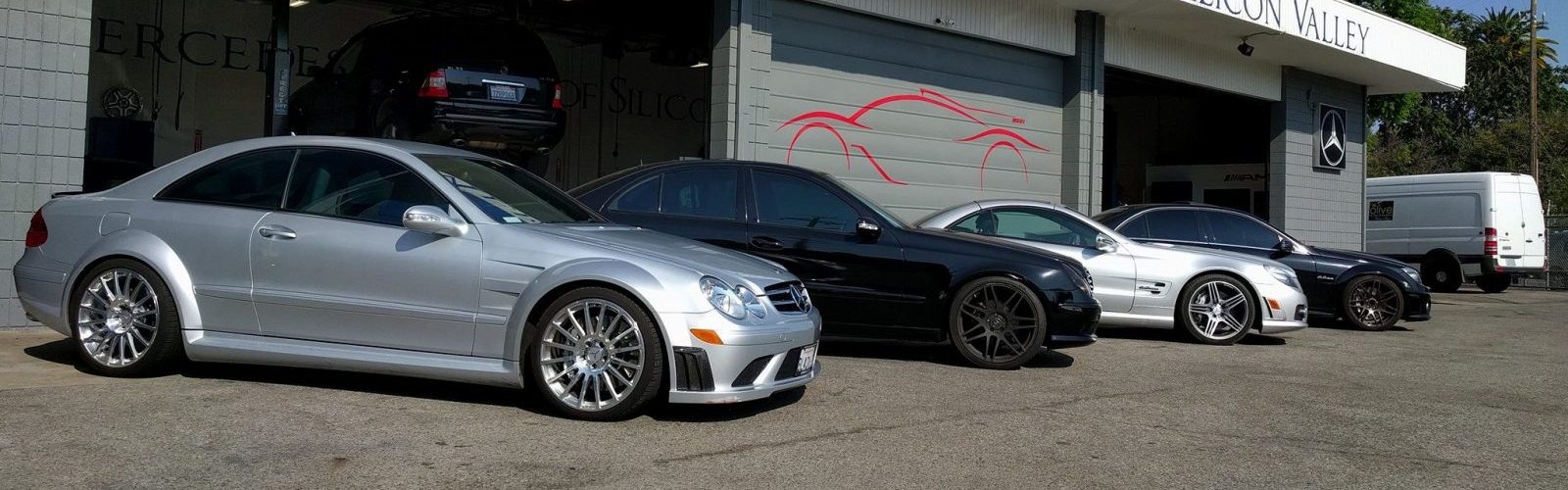

An AMG can feel completely different when small maintenance items begin to drift. A slight misfire under boost, a transmission that shifts less crisply, or uneven tire wear can take away the confidence that makes these cars special. Knowing how to maintain mercedes amg performance means looking beyond basic oil changes and treating the engine, drivetrain, brakes, chassis, and electronics as one connected system.
AMG vehicles are engineered for higher loads than standard Mercedes-Benz models. More power, larger brakes, wider tires, advanced cooling systems, and performance-calibrated transmissions all require service decisions based on the specific model, engine, mileage, and driving habits. The goal is not to replace parts early without reason. It is to inspect carefully, use the correct materials, and address small concerns before they become expensive repairs.
How to Maintain Mercedes AMG Performance Over Time
The maintenance schedule in your owner’s manual is the starting point, but it should not be the only consideration. Silicon Valley traffic, hot summer temperatures, short commutes, spirited weekend driving, and frequent stop-and-go operation can all be harder on an AMG than the schedule may suggest.
A properly maintained service history matters, especially on a high-performance Mercedes. It supports resale value, provides a record of what has been done, and helps a qualified technician identify patterns before they turn into failures. Keep invoices and note changes in performance, fuel economy, noises, vibrations, or warning messages. Those details are valuable during diagnosis.
Use the Correct Engine Oil and Filter
AMG engines depend on the right oil specification, not simply the right viscosity printed on a bottle. Whether your vehicle uses a hand-built V8, turbocharged four-cylinder, inline-six, or another AMG powerplant, oil must meet the applicable Mercedes-Benz approval for that engine.
Factory-approved oil is designed to manage heat, protect turbocharger components where equipped, control deposits, and maintain proper lubrication under high load. An inexpensive filter or a generic oil choice can compromise that protection. Oil changes should be performed on time, and sooner may be reasonable for vehicles driven aggressively, used mainly for short trips, or operated in very hot conditions.
Between services, check the oil level according to the vehicle’s instructions. Both low oil and overfilling can create problems. If an AMG begins consuming more oil than usual, do not ignore it. A technician should determine whether the cause is normal operating behavior, a leak, crankcase ventilation concern, turbocharger issue, or another engine-related condition.
Let the Engine Warm Up Before Demanding Full Power
Modern AMGs do not need a long idle period before driving. In fact, a gentle drive after startup is generally better than letting the engine idle excessively. The key is avoiding full throttle, high RPM, and heavy boost until engine oil has reached operating temperature.
Coolant may warm up quickly, but engine oil takes longer. Until it does, the oil is less able to protect bearings, timing components, and turbocharger assemblies under extreme load. Smooth acceleration during the first several miles is a simple habit that helps preserve an expensive powertrain.
After a hard drive, track session, or long uphill pull, avoid immediately shutting the vehicle off if temperatures are elevated. A short period of normal, low-load driving allows heat to stabilize. Modern cooling systems help manage this process, but sensible cooldown habits still reduce stress on the engine and turbocharged components.
Protect the Transmission, Differentials, and Drivetrain
AMG performance is not only about horsepower. The transmission, all-wheel-drive system where equipped, driveshafts, differentials, and electronic controls are responsible for delivering that power cleanly and consistently.
Transmission fluid service is commonly overlooked because many owners hear the phrase “lifetime fluid.” In practice, fluid condition, heat cycles, mileage, and driving style matter. Performance transmissions generate heat, and fluid degrades over time. The correct service interval depends on the transmission and model year, so the vehicle should be evaluated by VIN and factory maintenance guidance rather than a one-size-fits-all recommendation.
The same principle applies to differential and transfer case fluids. On AMG 4MATIC models, these components work hard during acceleration and cornering. Proper fluid levels and factory-correct lubricants help prevent noise, binding, and premature wear. If you notice clunks, shuddering, delayed engagement, or rough shifts, schedule diagnostics rather than assuming the issue will resolve itself.
Software updates and adaptation checks can also matter. Mercedes transmission control systems learn driving behavior and manage shift pressure, torque delivery, and protection strategies. Accurate diagnostics with Mercedes-specific equipment can distinguish a mechanical concern from a calibration or electronic issue.
Keep Braking and Handling at AMG Standards
An AMG’s brakes and chassis are designed to match its acceleration. Neglecting either side of that equation changes how safe and enjoyable the vehicle feels.
Brake pads and rotors should be inspected at every service, but thickness is only part of the picture. A technician should also evaluate rotor condition, pad wear patterns, brake fluid quality, caliper operation, and brake hoses. High-performance braking systems can develop vibration, squeal, uneven wear, or reduced response when components are worn or improperly installed.
Brake fluid absorbs moisture over time, which lowers its boiling point and can affect pedal feel under hard use. Follow the recommended brake fluid interval, and use the specified fluid. This is particularly relevant for drivers who enjoy mountain roads, carry heavy loads in an AMG SUV, or attend performance driving events.
Tires deserve the same attention. Many AMG models use staggered tire sizes, meaning the rear tires are wider than the fronts and cannot be rotated in the conventional front-to-rear pattern. Tire pressure should be checked when cold and adjusted to the placard specifications for your wheel and tire setup. Incorrect pressure affects grip, ride quality, tread wear, and steering response.
Wheel alignment is another major factor. Potholes, road construction, curb contact, and worn suspension components can move alignment angles enough to cause rapid inner-edge tire wear. If the steering wheel is off-center, the vehicle pulls, or tires wear unevenly, have the chassis inspected. Replacing tires without correcting the alignment issue only starts the wear cycle again.
Stay Ahead of Ignition, Cooling, and Air Intake Needs
Turbocharged and high-output AMG engines place significant demands on spark plugs, ignition coils, cooling components, and air filtration. Spark plug intervals are not suggestions to stretch, especially on engines operating with high cylinder pressure. Worn plugs can contribute to misfires, hesitation, reduced power, and potential damage if ignored.
If the check engine light flashes, the engine runs rough, or you feel a loss of power under acceleration, stop pushing the vehicle and arrange for professional diagnosis. Continuing to drive aggressively with an active misfire can damage catalytic converters and create a much larger repair.
Cooling system maintenance is equally important. AMG engines use sophisticated cooling strategies that may include multiple radiators, intercoolers, auxiliary pumps, and electronically controlled thermostats. Use only the correct Mercedes-approved coolant and avoid mixing formulas. Coolant leaks, rising temperatures, fan issues, or a sweet smell from the engine bay should be addressed promptly.
Air filters should be inspected regularly, particularly in dusty conditions or where construction is common. A clogged filter can restrict airflow, while an incorrectly fitted aftermarket intake can create drivability or sensor issues. Performance modifications can be worthwhile, but they should be selected and calibrated for the specific vehicle rather than installed as generic upgrades.
Diagnose Warning Lights With Mercedes-Specific Equipment
An AMG is heavily managed by electronics. Engine performance, transmission operation, stability control, active exhaust, suspension settings, safety systems, and driver assistance features all communicate through multiple control modules.
A generic code reader may identify a basic fault code, but it often cannot provide the complete diagnostic picture. Mercedes-specific diagnostic equipment can access manufacturer data, guided test routines, live values, stored faults, and system adaptations. That level of information prevents guesswork and unnecessary parts replacement.
This matters when a warning light appears intermittently or when the vehicle feels different without displaying a warning. An experienced Mercedes technician can compare actual values against expected operating behavior and identify concerns such as boost leaks, weak ignition performance, sensor faults, battery voltage problems, or suspension issues before they become more disruptive.
Be Thoughtful With Tuning and Modifications
AMG tuning can deliver meaningful gains, but added power also increases stress on components that were engineered around a specific factory output. A quality calibration should account for fuel quality, engine condition, transmission limits, cooling capacity, and the driver’s intended use.
Before tuning, make sure maintenance is current. Resolve oil leaks, misfires, cooling issues, worn tires, weak brakes, and stored fault codes first. A tune cannot correct a mechanical problem, and it may make one more apparent.
Choose modifications that work together. Extra power may justify upgraded tires, brake service, cooling improvements, or more frequent fluid changes. Mercedes Service of Silicon Valley approaches performance work with the same discipline used for repair work: confirm the vehicle is healthy, use appropriate parts, and be clear about the real trade-offs.
The best AMG maintenance plan is one you can follow consistently. A trusted Mercedes specialist can tailor service to your model and how you actually drive it, giving you clear priorities instead of a list of unnecessary repairs. That attention keeps the car ready for the moments when an AMG should feel exactly as engineered: precise, composed, and eager when you ask for more.