A Mercedes engine can look perfectly healthy right up until the wrong fluid begins causing problems that do not show on the dashboard. Sludge buildup, cooling-system corrosion, oil consumption, rough shifting, and premature component wear often start with a product that was close to correct, but not actually approved for that vehicle. Choosing the best fluids for Mercedes engines means following the Mercedes-Benz specification for your exact model, engine, and model year – not simply buying a premium fluid with a familiar viscosity on the label.
Mercedes-Benz has used a wide range of gasoline, diesel, turbocharged, hybrid, AMG, and commercial-vehicle powertrains. The right choice for a naturally aspirated E-Class from the early 2000s may be entirely wrong for a modern turbocharged GLE or diesel Sprinter. Factory approval matters because the fluid is part of the engineering behind the vehicle’s performance, emissions systems, cooling capacity, and long-term durability.
Start With the Mercedes-Benz Approval Number
The bottle’s marketing language is less important than its Mercedes-Benz approval. Mercedes identifies approved lubricants and service fluids through specification sheets, often called MB approvals or MB BeVo specifications. An approved fluid has been tested against requirements for wear protection, deposit control, seal compatibility, temperature performance, and, in many cases, emissions-system protection.
For engine oil, common examples include MB 229.5, 229.51, 229.52, and 229.71. Those numbers are not interchangeable. An oil can be high quality and still be unsuitable if it lacks the approval required by your engine. The owner’s manual, service information, or a Mercedes specialist can confirm the correct specification using the vehicle identification number.
This is especially relevant in Silicon Valley, where short commutes, stop-and-go traffic, summer heat, and long highway drives can all happen in the same week. A properly approved fluid gives the engine the margin it was designed to have under changing conditions.
Engine Oil: The Most Important Choice
For most Mercedes owners, engine oil is the fluid decision that deserves the closest attention. Mercedes engines rely on oil for far more than basic lubrication. It helps manage turbocharger heat, operates variable valve timing components, supports hydraulic systems, controls deposits, and protects internal surfaces during cold starts.
Viscosity Is Only Part of the Answer
Many owners focus on labels such as 0W-20, 0W-30, 0W-40, or 5W-40. Viscosity matters, but it is not the full specification. Two oils with the same viscosity can have very different additive packages and approvals.
Older gasoline Mercedes models may commonly use an MB 229.5-approved 0W-40 or 5W-40 oil, depending on the engine and climate. Many newer turbocharged gasoline engines call for lower-viscosity oils under approvals such as MB 229.5, 229.71, or another model-specific requirement. Modern diesel engines equipped with diesel particulate filters typically need a low-SAPS oil, often associated with approvals such as MB 229.51 or 229.52, to help protect the emissions system.
AMG engines deserve the same discipline. Performance driving creates higher oil temperatures and greater shear stress, but that does not mean a thicker oil is automatically better. Use the exact approved oil for the engine, then adjust service timing based on how the vehicle is used. A frequently driven AMG, a vehicle used for track events, or a car making significantly more power after tuning may benefit from more frequent oil service and an expert review of its maintenance plan.
Oil Change Intervals Should Reflect Real Use
Mercedes maintenance systems calculate service intervals based on operating conditions, but time still matters. A low-mileage vehicle that makes short trips may collect moisture and fuel dilution in the oil. A car that sits for extended periods can also benefit from more conservative service intervals.
For many owners, an annual oil service with the correct OEM-quality filter and approved oil is sensible even if mileage is low. Vehicles driven hard, used for repeated short trips, or modified for additional performance may need service sooner. The right interval is not about selling unnecessary maintenance. It is about matching the service to the vehicle’s actual workload.
Coolant: Use the Correct Mercedes Formula
Coolant is another area where color causes confusion. Blue, pink, yellow, and green coolant are not universal categories. Different manufacturers use different formulas and dye colors, so matching coolant by appearance is not a reliable method.
Mercedes-approved coolant is formulated to protect the aluminum, steel, plastic, rubber, and gasket materials used throughout the cooling system. It also helps prevent corrosion in the radiator, heater core, water pump, and internal engine passages. Using a generic coolant that is described as “compatible with all makes” may seem convenient, but it is not the same as using the formula Mercedes specifies.
The correct coolant must also be mixed at the proper ratio with distilled water when it is not supplied premixed. An incorrect concentration can reduce freeze protection, affect heat transfer, or contribute to deposits. In a warm climate, it can be tempting to dilute coolant excessively, but overheating protection matters just as much as freeze protection.
If the coolant level is repeatedly low, topping it off is not the real repair. Mercedes cooling systems can develop leaks at hoses, reservoirs, radiators, water pumps, thermostats, and seals. A pressure test and proper diagnosis should come before adding fluid again.
Transmission Fluid Is Not a Universal ATF
Although transmission fluid does not lubricate the engine itself, it is essential to the driving experience and should be treated with the same care. Mercedes automatic transmissions use specific fluid formulations designed around the transmission’s internal clutch materials, valve body calibration, and temperature requirements.
Using a universal automatic transmission fluid can lead to delayed engagement, harsh shifts, shudder, or accelerated internal wear. The correct fluid depends on the transmission family, not just the vehicle year. A 5-speed, 7-speed, 9-speed, dual-clutch, or Sprinter transmission may each require a different Mercedes-approved fluid and service procedure.
Proper transmission service also includes setting the fluid level at the specified temperature with factory-level diagnostic equipment. This is not a simple drain-and-fill where guessing is acceptable. Some units require a particular fill process, new sealing components, and adaptation checks after service.
Brake Fluid, Power Steering Fluid, and Differential Fluid
Brake fluid absorbs moisture over time, which lowers its boiling point and can contribute to internal corrosion. Mercedes commonly specifies DOT 4 brake fluid, but the exact requirement should always be confirmed for the vehicle. Regular brake fluid flushing helps preserve braking performance, particularly on vehicles exposed to heat, steep grades, or spirited driving.
Power steering fluid is another fluid that should never be chosen by guesswork. Some Mercedes models use hydraulic fluid with a specific approval rather than a generic power steering product. Other newer vehicles use electric power steering and have no hydraulic steering fluid at all.
Differential and transfer case fluids are equally model-specific. Mercedes 4MATIC systems, AMG differentials, and limited-slip units can require particular gear oils or additives. These fluids may have long service intervals, but “long” does not mean lifetime under every driving condition.
A Practical Way to Avoid the Wrong Fluid
Before any fluid service, confirm the vehicle identification number, engine, transmission, and Mercedes specification. Then verify that the product carries the required approval rather than relying on a statement that it is merely suitable for use. Finally, use the correct fill quantity and service procedure, especially for transmissions, cooling systems, and differentials.
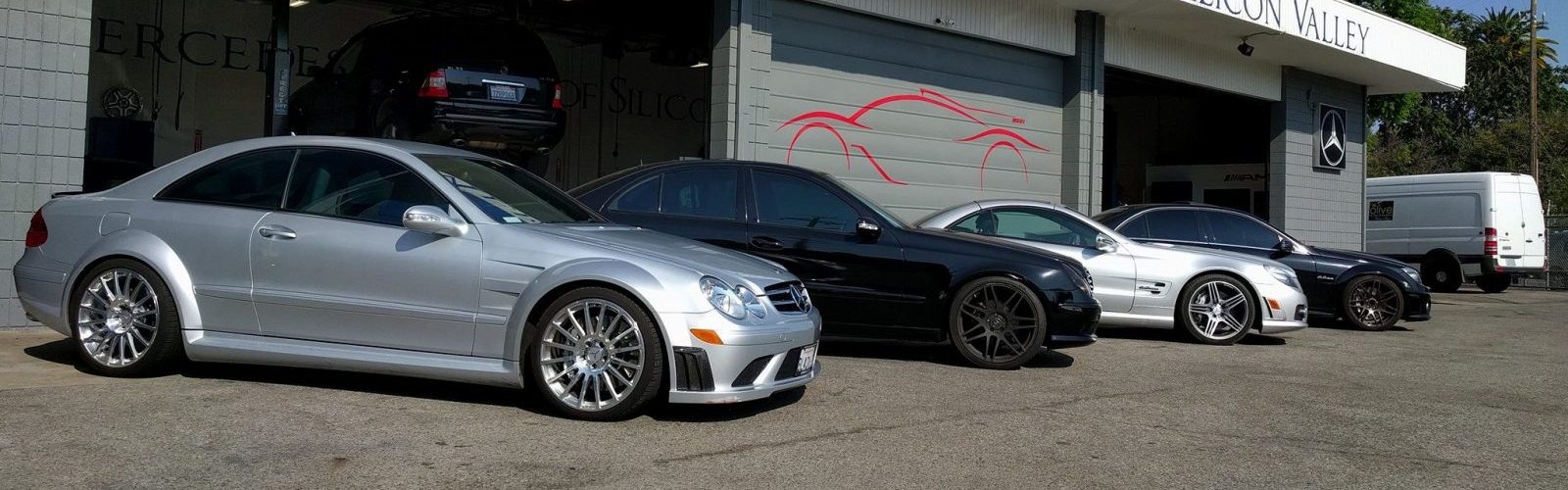
At Mercedes Service of Silicon Valley, we use OEM parts, approved fluids, and Mercedes-specific diagnostic equipment because small details make a real difference over the life of these vehicles. The goal is not to replace fluids unnecessarily. It is to protect the systems that make your Mercedes feel smooth, responsive, and dependable.
When you are unsure what belongs in your vehicle, do not let the label color or a quick online recommendation make the decision. A VIN-based fluid check before service is a small step that can prevent a very expensive one later.