A warning message on a Mercedes dashboard used to point drivers toward an engine, transmission, or conventional electrical concern. On a newer Mercedes, the same moment may involve a 48-volt system, high-voltage battery management, charging hardware, cooling circuits, or software communication between multiple control units. Mercedes electrification repair trends are changing what accurate diagnostics look like – and why brand-specific experience matters before any part is replaced.
For Silicon Valley owners, this shift is especially relevant. Many local Mercedes vehicles see heavy commuter mileage, stop-and-go traffic, warm summer conditions, and long periods sitting in garages or airport parking. Those conditions can expose weaknesses in batteries, charging systems, brakes, tires, and vehicle software. The right repair approach is not about treating every electrified vehicle as a complicated mystery. It is about following Mercedes diagnostic procedures, understanding how the systems interact, and recommending only the work the vehicle actually needs.
Mercedes Electrification Repair Trends Affecting Owners
Electrification does not mean every Mercedes-Benz is fully electric. The service landscape now includes mild-hybrid models with 48-volt architecture, plug-in hybrids, and battery-electric vehicles. Each has different maintenance needs, safety requirements, and common diagnostic paths.
One of the biggest trends is the growing importance of system-level diagnosis. A customer may notice reduced power, an intermittent warning light, charging concerns, or a no-start condition. The visible symptom does not automatically identify the failed component. A 12-volt battery issue, for example, can create communication faults that resemble a far more serious high-voltage problem. Likewise, a cooling-system issue can affect battery temperature management and trigger performance limitations.
This is why replacing parts based on a generic code scan is risky. Mercedes systems require the right diagnostic equipment, current vehicle information, and technicians who can distinguish a stored history code from an active fault that requires repair.
The 48-Volt System Is Now a Major Service Consideration
Mercedes mild-hybrid models use a 48-volt integrated starter-generator system to support smoother starts, energy recovery, and improved efficiency. It works alongside the traditional 12-volt electrical system, but it introduces additional components and diagnostic considerations.
Owners may first notice messages related to the electrical system, unusual start-stop behavior, reduced convenience features, or a warning that the vehicle cannot be restarted after being switched off. These symptoms can stem from battery condition, charging performance, wiring, control modules, or the interaction between the 12-volt and 48-volt systems.
The practical trend is not that every 48-volt vehicle needs expensive repairs. Many concerns are identified through careful testing before major components are considered. A proper evaluation should include battery health, charging data, fault-code context, software status when applicable, and a visual inspection of related connections and cooling components.
Battery Health Means More Than Battery Capacity
High-voltage battery conversations often make owners think immediately of a complete battery replacement. That is rarely the first step in a professional diagnosis. Battery health is assessed through the vehicle’s data, charging behavior, thermal management performance, insulation monitoring, and the presence of specific fault codes.
Age and mileage matter, but usage patterns matter too. A plug-in hybrid that is routinely driven on short trips without consistent charging may behave differently from one that is regularly charged and driven at highway speeds. A battery-electric Mercedes exposed to repeated high heat, very low charge levels, or extended storage also deserves a closer look at its charging and battery-management history.
The key trade-off is simple: avoiding unnecessary repairs should never mean ignoring a warning or delaying a qualified inspection. High-voltage systems are designed with significant safety protections, but they are not a do-it-yourself area. Proper isolation procedures, protective equipment, and Mercedes-specific repair information are necessary whenever high-voltage components are being diagnosed or serviced.
Software Is Becoming a Larger Part of Mercedes Repair
Modern Mercedes vehicles rely on an extensive network of modules that exchange information constantly. Electrified models add more communication between the battery, power electronics, charging system, climate control, drivetrain, and safety systems. As a result, software and calibration checks are becoming a more meaningful part of repair planning.
A software update may address a known operational concern, improve module communication, or be required after certain repairs. It is not a cure-all, and it should not be used as a substitute for testing. If a vehicle has a failing sensor, damaged wiring, low battery voltage, or an active component fault, updating software alone will not correct the underlying issue.
For owners, the best question is not simply, “Does my vehicle need an update?” It is, “What did the diagnosis show, and why is this repair or programming step recommended?” Clear answers build confidence and help avoid both guesswork and unnecessary expense.
Charging Complaints Require a Broader View
A vehicle that will not charge, charges slowly, or stops charging may have an issue with the vehicle, the charging equipment, the connector, battery temperature, or the electrical supply. Plug-in hybrid and EV charging faults are not always caused by the onboard charger.
Technicians need to confirm the customer’s exact experience: whether the issue occurs at home, at public chargers, or both; whether it happens consistently; and whether any warning messages appear. The charging port and cable condition, charge settings, fault memory, and battery temperature data may all be relevant.
This is particularly useful for owners who have recently changed home charging equipment or moved to a new residence. A vehicle-side repair should be based on evidence, not assumptions about where the problem started.
Cooling, Brakes, Tires, and Suspension Still Matter
Electrification changes service priorities, but it does not eliminate the fundamentals that keep a Mercedes safe and enjoyable to drive. In some ways, those basics matter even more because electric motors deliver immediate torque and battery systems add vehicle weight.
Battery and power-electronics cooling systems need the correct coolant specification, proper fill procedures, and attention to leaks or circulation concerns. A small cooling issue that might be easy to overlook on a conventional vehicle can have a direct effect on charging performance, power availability, and battery protection strategies.
Brake wear can be less predictable on electrified vehicles because regenerative braking may reduce use of the friction brakes. Pads may last longer, yet rotors can develop corrosion when the vehicle sees frequent light braking or limited use. Regular inspections help identify uneven wear, seized hardware, and rotor condition before braking feel is affected.
Tires and alignment also deserve attention. Instant torque can accelerate tire wear, while added vehicle weight makes correct tire choice, inflation pressure, and alignment angles especially important. Owners who value AMG-level responsiveness should be particularly careful about fitting the appropriate tires and correcting suspension wear before it turns into uneven tread wear or compromised handling.
What a Quality Electrified Mercedes Inspection Should Include
A useful inspection does not need to overwhelm an owner with technical jargon. It should answer practical questions: Is the vehicle safe to drive? What is causing the warning or change in behavior? What needs attention now, and what can be monitored?
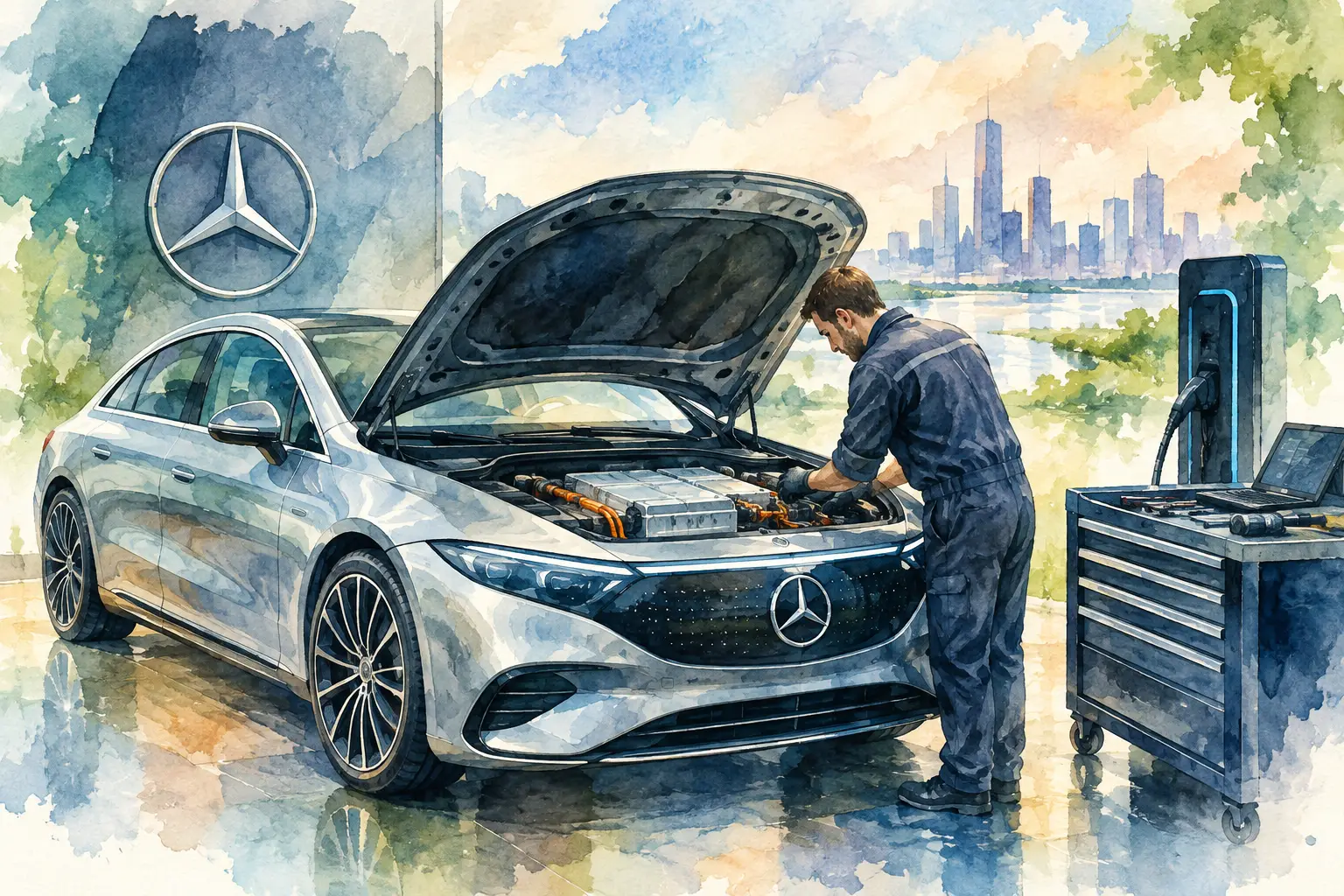
For an electrified Mercedes, that process commonly includes a full vehicle scan with Mercedes-capable equipment, verification of the 12-volt electrical system, review of high-voltage and charging-related fault data, and inspection of relevant cooling, braking, tire, and suspension components. The exact scope depends on the model and concern. A scheduled maintenance visit for a mild-hybrid sedan is different from diagnosing an intermittent charging fault on a plug-in hybrid SUV.
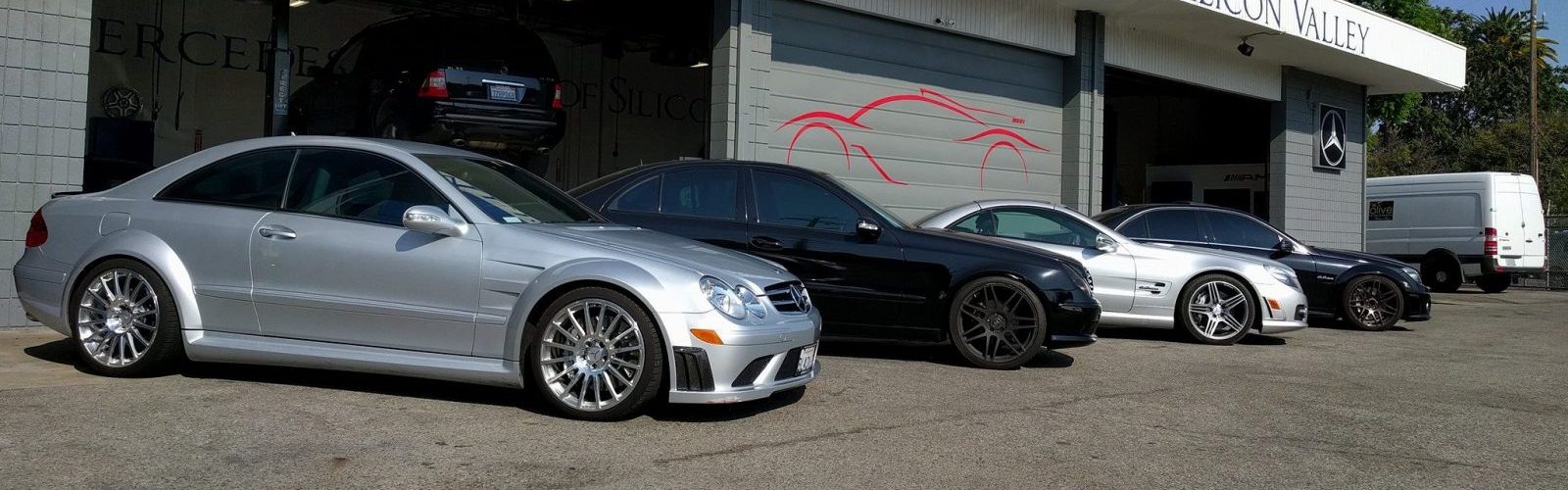
At Mercedes Service of Silicon Valley, the goal is to make that distinction clear. Our technicians approach the vehicle as a Mercedes first, using brand-focused experience and diagnostic discipline to identify the actual repair path. That means explaining findings in plain language, using OEM-quality parts and fluids where appropriate, and helping owners prioritize work without dealership-style pressure.
How Owners Can Prevent Avoidable Problems
The most effective habit is responding promptly to electrical, charging, or drivetrain warnings, even if the vehicle appears to drive normally. Intermittent messages often provide valuable diagnostic information before a concern becomes more disruptive.
It also helps to maintain the conventional 12-volt battery rather than focusing only on the high-voltage system. Keep charging ports and connectors clean and protected, follow the vehicle’s recommended maintenance schedule, and have brakes inspected even when regenerative braking makes them feel fine. For vehicles that sit for extended periods, a conversation about proper storage and battery support can prevent avoidable low-voltage issues.
Electrification is adding new layers to Mercedes service, not replacing the craftsmanship that has always protected performance, reliability, and safety. When your vehicle signals that something has changed, a careful diagnosis from a Mercedes specialist can turn uncertainty into a clear, sensible next step.