A Mercedes that drops overnight in one corner is not having a small issue. It is usually the first clear warning that the AIRMATIC system is losing its ability to hold pressure, level the chassis, or protect ride quality the way it was designed to. This Mercedes Airmatic repair guide is built for owners who want straight answers – what fails, how it is diagnosed properly, and when a repair should happen before it turns into a bigger bill.
AIRMATIC is one of the features that makes many Mercedes models feel distinctly different from ordinary luxury cars. When it is working correctly, the vehicle stays composed over rough pavement, adjusts ride height when needed, and delivers the balance Mercedes intended between comfort and control. When it starts failing, you may notice a harsh ride, a leaning stance, warning messages, or a compressor that seems to run far too often.
What the AIRMATIC system actually does
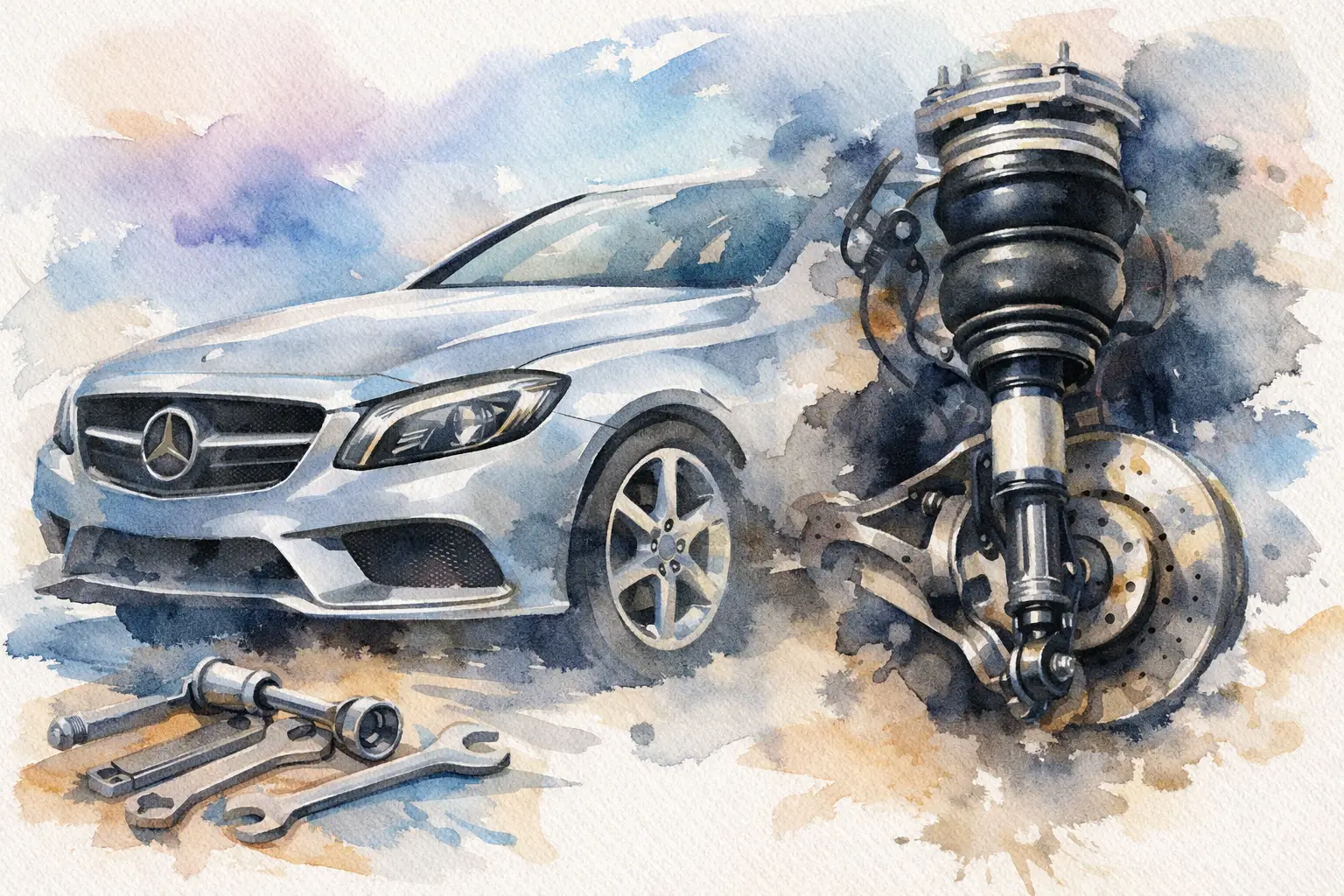
Mercedes AIRMATIC is an air suspension system that replaces traditional steel springs with air struts or air springs, depending on the model. It works together with a compressor, valve block, ride height sensors, reservoir, and control module to maintain ride height and damping behavior.
That sounds simple on paper, but in practice the system is constantly making small adjustments. It compensates for passengers, cargo, road conditions, and speed. On some models, it also changes vehicle height for comfort, handling, or easier entry. Because several components have to work together, a proper repair depends on isolating the real fault instead of replacing parts based on guesswork.
Common symptoms in this Mercedes Airmatic repair guide
The most common complaint is that the vehicle sags after sitting. Sometimes it drops evenly at the rear. Sometimes one front corner is noticeably lower than the others. That pattern matters because it helps point the diagnosis in the right direction.
Another common symptom is a warning on the dash related to the suspension. Owners may also notice the compressor running more than normal, a rough or bouncy ride, or the car refusing to raise to the correct height. In more advanced cases, the vehicle may sit very low and become difficult or unsafe to drive.
A harsh ride does not always mean the same thing as a leak. On some Mercedes models, an internal failure in the strut, a damping issue, or a control fault can make the suspension feel stiff even if the car is not visibly sagging. That is where Mercedes-specific diagnostics matter.
The parts that fail most often
Air struts and air springs are among the most frequent failure points. The rubber bladder ages, dries, and cracks over time, especially on higher-mileage vehicles or cars exposed to heat and rough road conditions. A small leak may only show up overnight at first. Later, the compressor has to work harder to keep the car level, and that extra workload can shorten compressor life.
Compressors also fail regularly, but often not by themselves. A worn compressor may be the result of an unresolved air leak that forced it to run too long for too many cycles. Replacing the compressor without fixing the leak is one of the most expensive shortcuts an owner can take.
The valve block is another known trouble spot. If it sticks internally or leaks, the system may distribute pressure incorrectly or allow one section of the car to drop. Height sensors, relay faults, wiring issues, and pressure reservoir problems are less common than leaking struts, but they do happen.
How proper diagnosis should work
A real Mercedes Airmatic repair guide has to start with diagnosis, not parts sales. This system needs to be checked with factory-level scan capability, not just a generic code reader. Stored faults, commanded ride height values, pressure readings, compressor runtime, and sensor data all help narrow the problem.
The next step is physical inspection. A technician should look for visible cracks in the air spring material, signs of leakage, damaged fittings, and issues with the lines or connections. Ride height at each corner should be compared. If the vehicle drops after sitting, the drop pattern gives useful clues about whether the issue is a strut, line, or valve block problem.
Leak testing matters too. In some cases, a system can hold pressure while the car is in the shop and still lose enough air over several hours to sink overnight. That is why experience matters. Some faults show up quickly. Others only reveal themselves after the vehicle sits or after the system is cycled multiple times.
Why replacing one part is not always enough
This is where many owners get conflicting advice. If one front air strut is leaking, replacing that strut may be the correct repair. But if the compressor has been overworked for months and is already weak, you may be fixing only half the problem. On the other hand, replacing every AIRMATIC component at once is not always honest or necessary.
The right answer depends on condition, mileage, fault history, and how the vehicle behaves during testing. A good shop explains what failed, what is worn, and what can reasonably wait. That level of transparency matters because AIRMATIC repairs can range from manageable to significant depending on the model and the number of affected parts.
OEM vs aftermarket parts
Not all replacement parts perform the same, especially on Mercedes suspension systems. Some aftermarket air struts and compressors are acceptable. Some are not. Poor-quality parts may fit, but they can create repeat failures, incorrect ride height, noise, or premature wear.
For Mercedes owners who plan to keep the car, OEM-quality components are usually the smarter choice. The upfront cost can be higher, but ride quality, durability, and compatibility with the control system are typically better. On a vehicle where suspension tuning is part of the ownership experience, cutting corners often shows up quickly.
When you can keep driving and when you should not
If the vehicle drops slightly overnight but rises normally and drives well, it may still be drivable for a short time. That does not mean it should be ignored. A small leak can turn into a failed compressor, and what might have been one strut can become a strut plus compressor repair.
If the car is sitting very low, the suspension warning is active, the ride is extremely harsh, or the compressor runs continuously, it is time to stop pushing your luck. Driving in that condition can damage other suspension components and compromise handling and braking.
Preventing bigger AIRMATIC repairs
Air suspension parts wear with age, and there is no magic maintenance item that stops that completely. Still, early diagnosis makes a major difference. If you notice one corner lower than usual, hear the compressor working more often, or feel a sudden change in ride quality, have it inspected before the system compensates itself into a larger failure.
Routine inspections during regular Mercedes service also help. A technician familiar with the platform can often catch cracking air springs, tired compressors, or abnormal ride height behavior before the car leaves you stranded on a Monday morning.
For owners in Silicon Valley, where these vehicles are often daily drivers, catching the issue early matters even more. The goal is not just to restore comfort. It is to protect the rest of the system and avoid paying for damage caused by delay.
Choosing the right shop for AIRMATIC work
AIRMATIC is one of those systems that rewards specialization. General repair shops may be able to replace a failed part, but that is different from understanding the failure pattern of a Mercedes chassis and knowing how to calibrate, test, and verify the repair correctly.
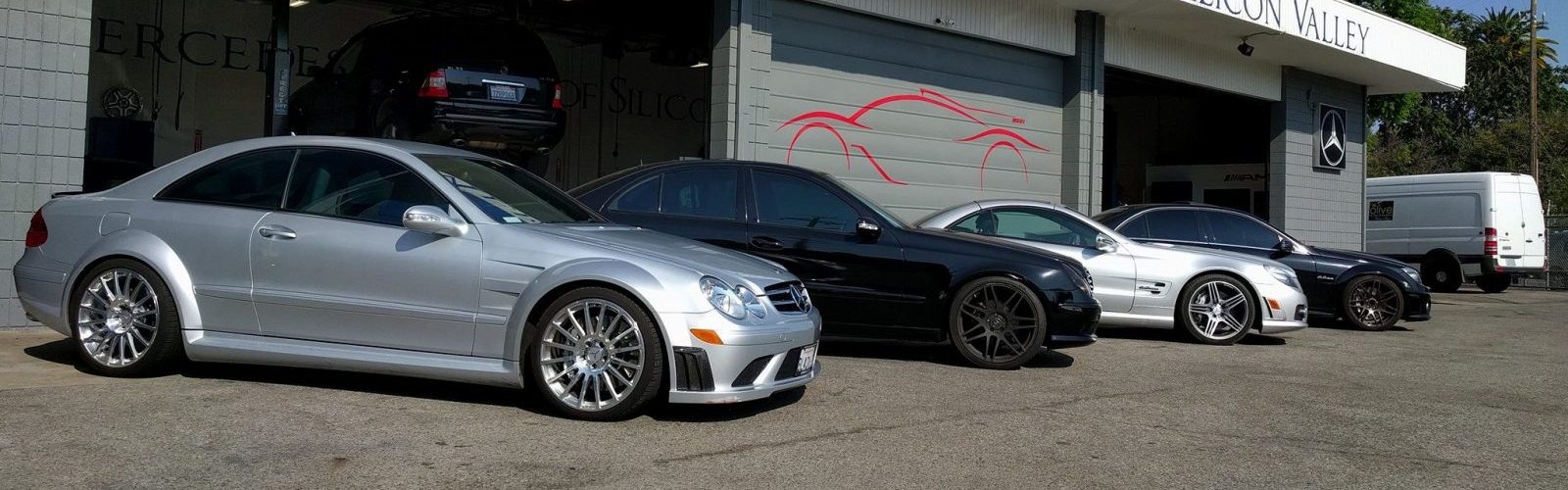
That is why many local owners turn to Mercedes Service of Silicon Valley for suspension diagnosis and repair. Factory-trained Mercedes experience, OEM-quality parts, and the right diagnostic equipment make a real difference when the issue is more complex than a simple leak. Just as important, the repair recommendation should be clear and honest – what failed now, what may be coming later, and what is not necessary today.
If your Mercedes is leaning in the driveway, riding harshly, or showing a suspension warning, treat it like an early warning, not a minor annoyance. AIRMATIC problems rarely get cheaper by waiting, but with the right diagnosis, they can often be fixed without turning into the kind of repair story every owner wants to avoid.